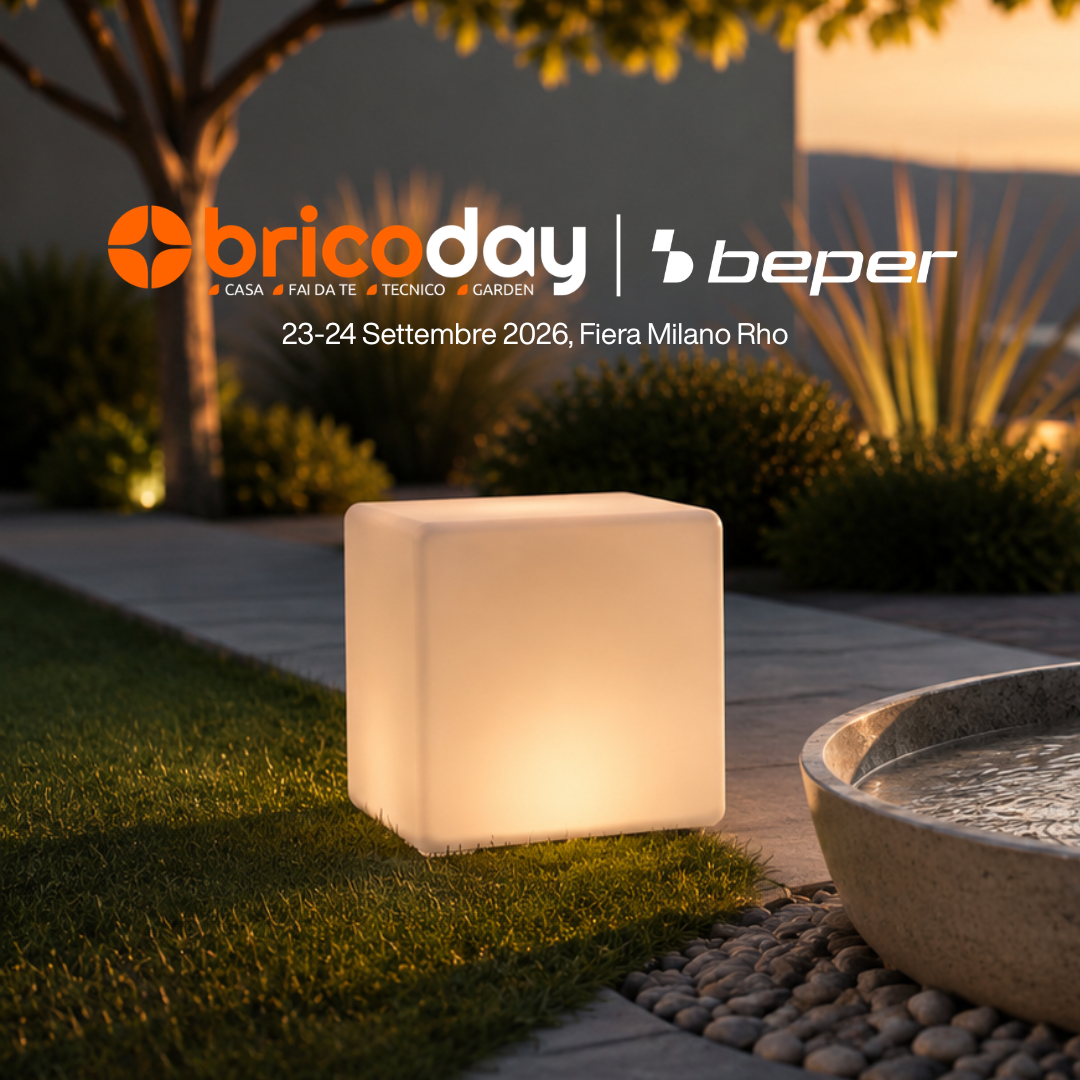
Beper a Bricoday: vieni a scoprire in anteprima le novità 2027
Anche quest’anno Beper parteciperà a Bricoday, uno degli appuntamenti di riferimento per il mondo casa, brico e distribuzione.
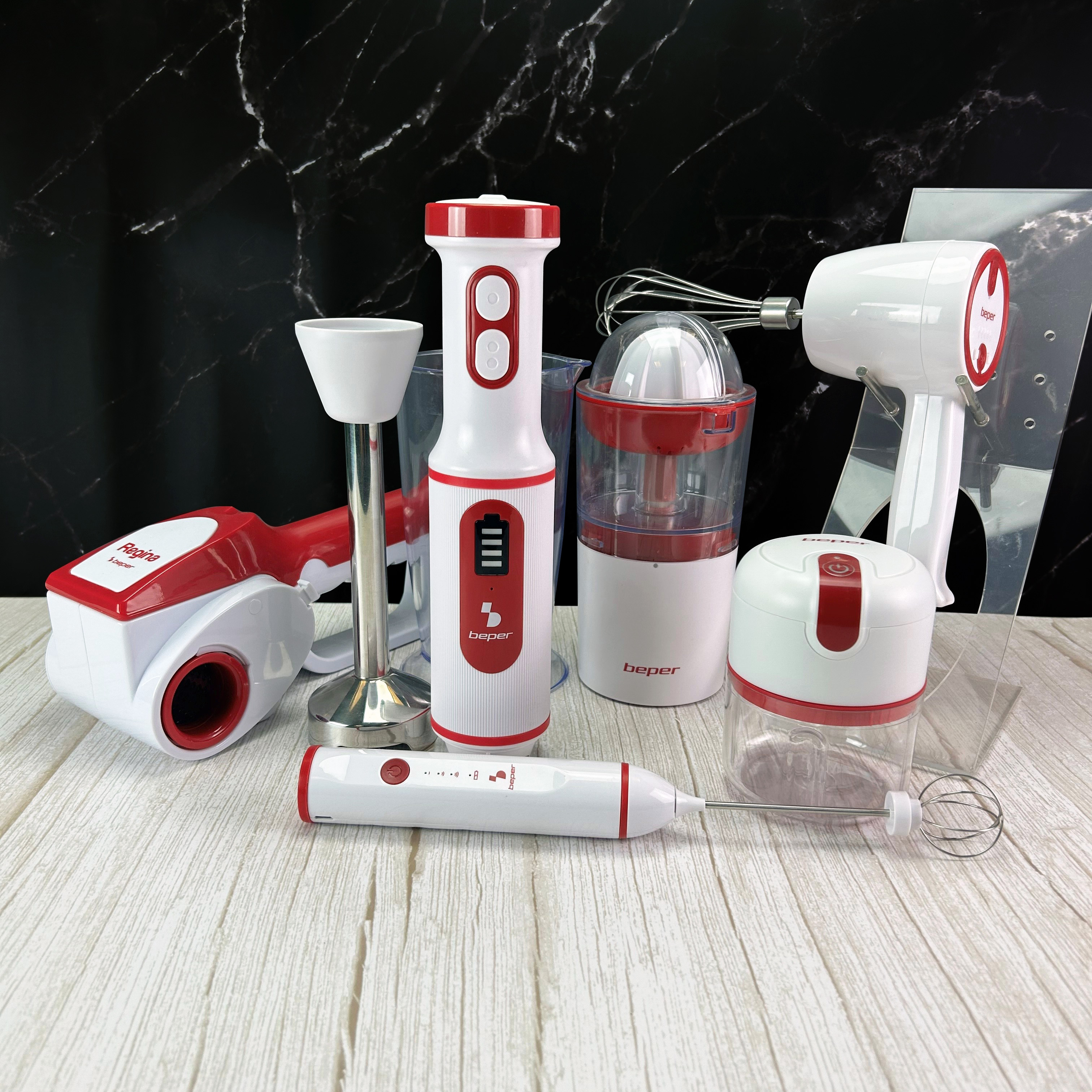
Sarà un’occasione speciale per incontrarci di persona, confrontarci e soprattutto per scoprire in anteprima le novità Beper 2027, con nuovi prodotti e nuove proposte pensate per arricchire l’assortimento e rispondere alle esigenze di un mercato in continua evoluzione.
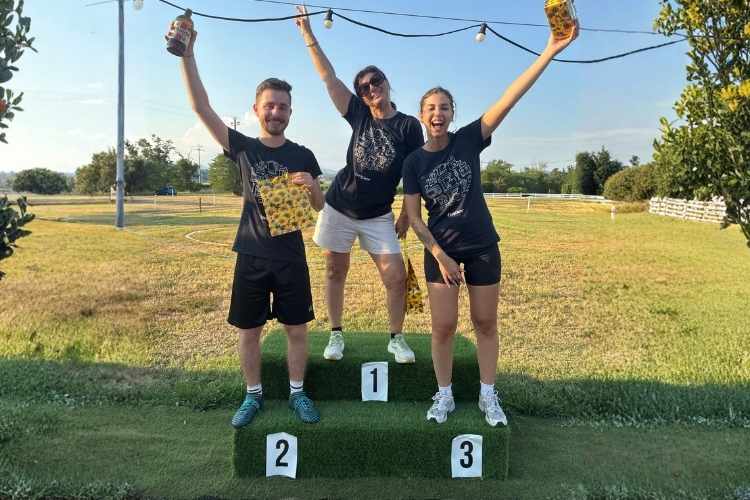
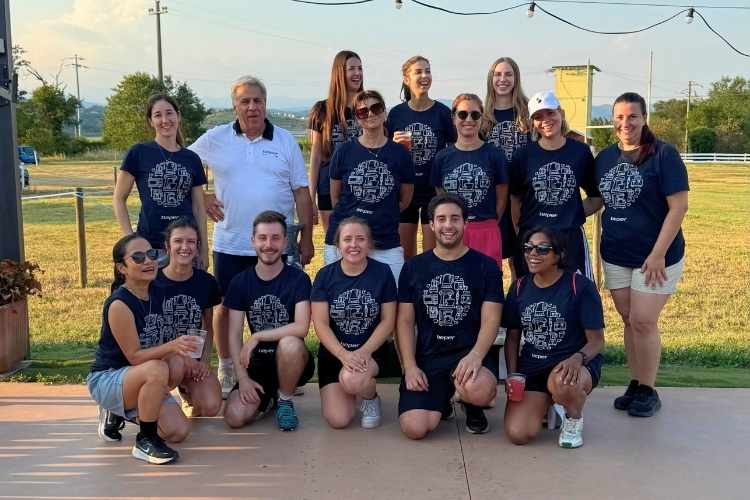
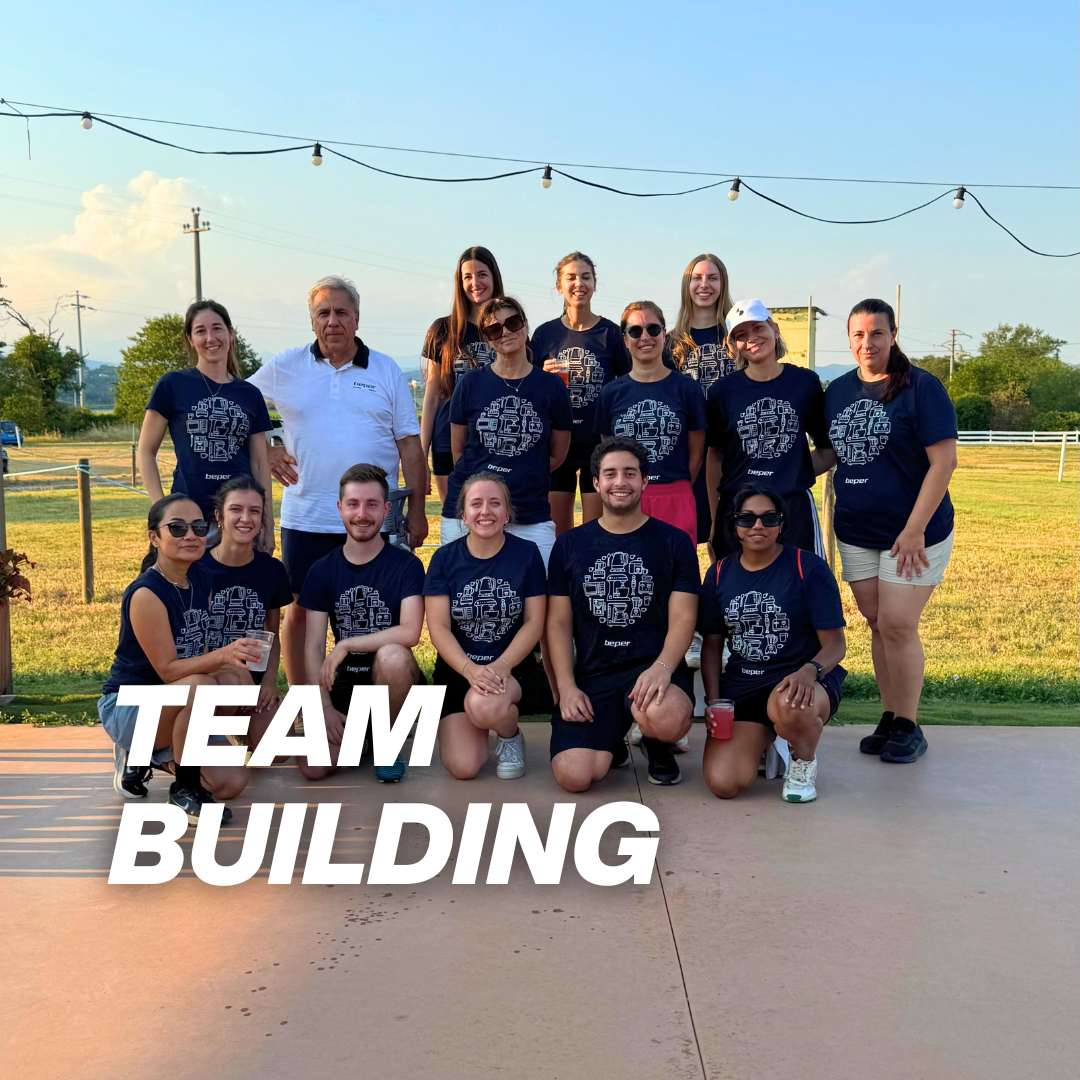
Team building and footgolf: playing individually to learn how to win together
WHAT IS TEAM BUILDING?
The term ‘team building’ literally means ‘building a team’ and refers to a set of activities designed to transform a group of people into a more united, self-aware and collaborative team.
Through recreational, educational or sporting experiences, corporate team building helps to improve mutual trust, communication between colleagues and the ability to work together to achieve common goals.
Nothing new so far, right?
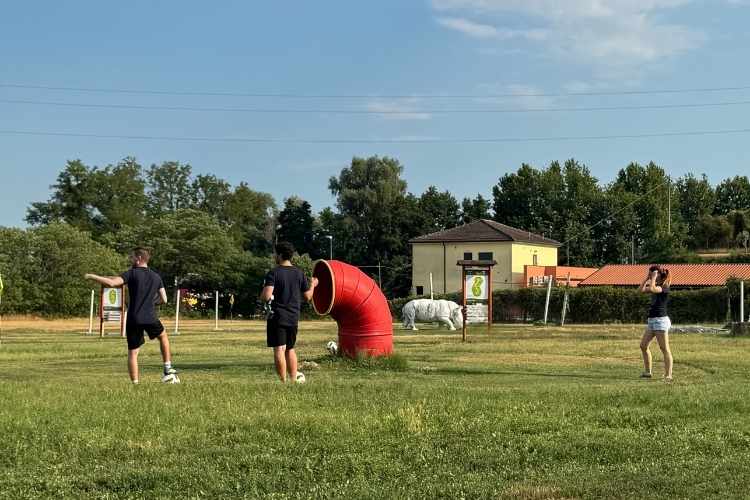
Our latest experience, however, was slightly different from traditional team-building activities. We spent a day together playing footgolf, an original and engaging sport that combines some of the rules of golf with football techniques.
What made it special? Although we were taking part in a team-building activity, we played individually.
A choice that, at least at first, might seem to go against the grain. Yet it was precisely this approach that allowed us to reflect on a dynamic we experience every day at work too: everyone carries out their own tasks, but nobody really works alone.
FOOTGOLF: A TEAM-BUILDING EXPERIENCE THAT BREAKS THE MOLD
Footgolf is played on a course similar to a golf course, but instead of clubs and golf balls, a football is used. The aim is to complete each hole with as few kicks as possible.
It requires precision, concentration, strategy and the ability to adapt to the obstacles on the course.
Each player has their own ball, their own score and an individual target to achieve. It isn’t strictly a team game, and everyone is responsible for their own result.
Yet, during the game, no one was truly isolated.
We observed each other’s techniques, compared different approaches to the course and tried to work out how to improve our next shot. We encouraged one another, shared tips and, of course, had a laugh at the most unlikely attempts.
Although we were playing individually, we continued to influence and learn from one another.
And that is precisely where footgolf turned into a genuine team-building activity.
EVEN IN THE OFFICE, WE ALL HAVE OUR OWN PLAYGROUND
In our day-to-day working lives, we are often focused on our tasks, deadlines and the work we need to complete. We enter our own ‘bubble’ and may feel as though we are working alone.
We do our utmost to complete a task, but as soon as we achieve one goal, we discover that five more have cropped up in the meantime.
In reality, every task is linked to the work of other people.
Those responsible for uploading products to marketplaces enable the sales department to sell them online. The procurement department selects the products that the marketing, sales and logistics teams will subsequently work on. Managers make important decisions, coordinate activities and take on responsibilities that contribute to the growth of the entire company.
Everyone has their own role, their own area of responsibility and their own goal to achieve. However, the final result depends on the combined efforts of everyone involved.
We are like a chain: each link has a specific function, but it is the connection between the links that makes it truly strong.
OBSERVING OTHERS’ WORK TO IMPROVE YOUR OWN
Whilst playing footgolf, we watched the other players to work out what stance to adopt, how much power to put into the ball, and which trajectory to choose.
We didn’t do this to judge them, but to learn.
The same approach can also be applied at work.
A few days before our team-building day, a colleague asked me who was responsible for uploading the instructions to the website. Her question arose from the need to adapt certain documents to new regulations concerning rechargeable household appliances.
By discussing the matter with her and the procurement department, I had the opportunity to take a closer look at the process involved in updating product instructions. Gaining a better understanding of their needs and working methods allowed me to broaden my perspective and even identify a possible solution to improve the process.
In a way, it was exactly what we experienced whilst playing footgolf: I observed how others worked, gained a better understanding of the challenges they faced, and used that information to improve my own contribution as well.
Collaboration between colleagues often stems precisely from these moments of exchange.
When we have a better understanding of what other departments do, we can grasp the consequences of our decisions, prevent potential problems and work more efficiently.
TEAM BUILDING ALSO MEANS LEARNING FROM OTHERS
In a game, we observe others’ techniques because we want to score more points, improve our performance and, of course, win.
That same energy should also guide us in the office.
It is not a question of turning work into an individual competition, but of keeping alive the desire to do better, the curiosity about what is happening in other departments, and the humility to learn from the people working alongside us.
An effective team is not made up of people who all carry out the same tasks. On the contrary, it is made up of professionals with different skills, responsibilities and perspectives, capable of putting their expertise at the service of a common goal.
To build good teamwork, the following are needed:
listening and communication;
mutual trust;
understanding of roles;
sharing of information;
willingness to engage in discussion;
awareness of the impact of one’s work on others.
Corporate team-building activities are important precisely because they help us rediscover these dynamics outside the daily routine.
A DAY OF SPORT, COMPETITION AND SHARING
Our team-building exercise wasn’t about ‘teamwork’ in the traditional sense, with everyone competing together against a common opponent.
It was something different.
Footgolf showed us that it’s possible to play as individuals and, at the same time, feel part of a group. Everyone tackled their own course, but kept an eye on the others, comparing notes and sharing the experience.
Just as happens in the workplace.
Every day, each of us carries out our own responsibilities, makes decisions and strives to achieve our own goals. But the result of our work only takes on greater value when it is linked to that of others.
The real message of this day is therefore simple: even when it feels as though we are playing on our own, we can only truly succeed if we learn to look out for one another, understand one another and improve together.
Because behind every individual achievement, there is always a team that helps make it possible.
Buyer Point: a valuable opportunity to grow within the DIY, Home & Garden sector
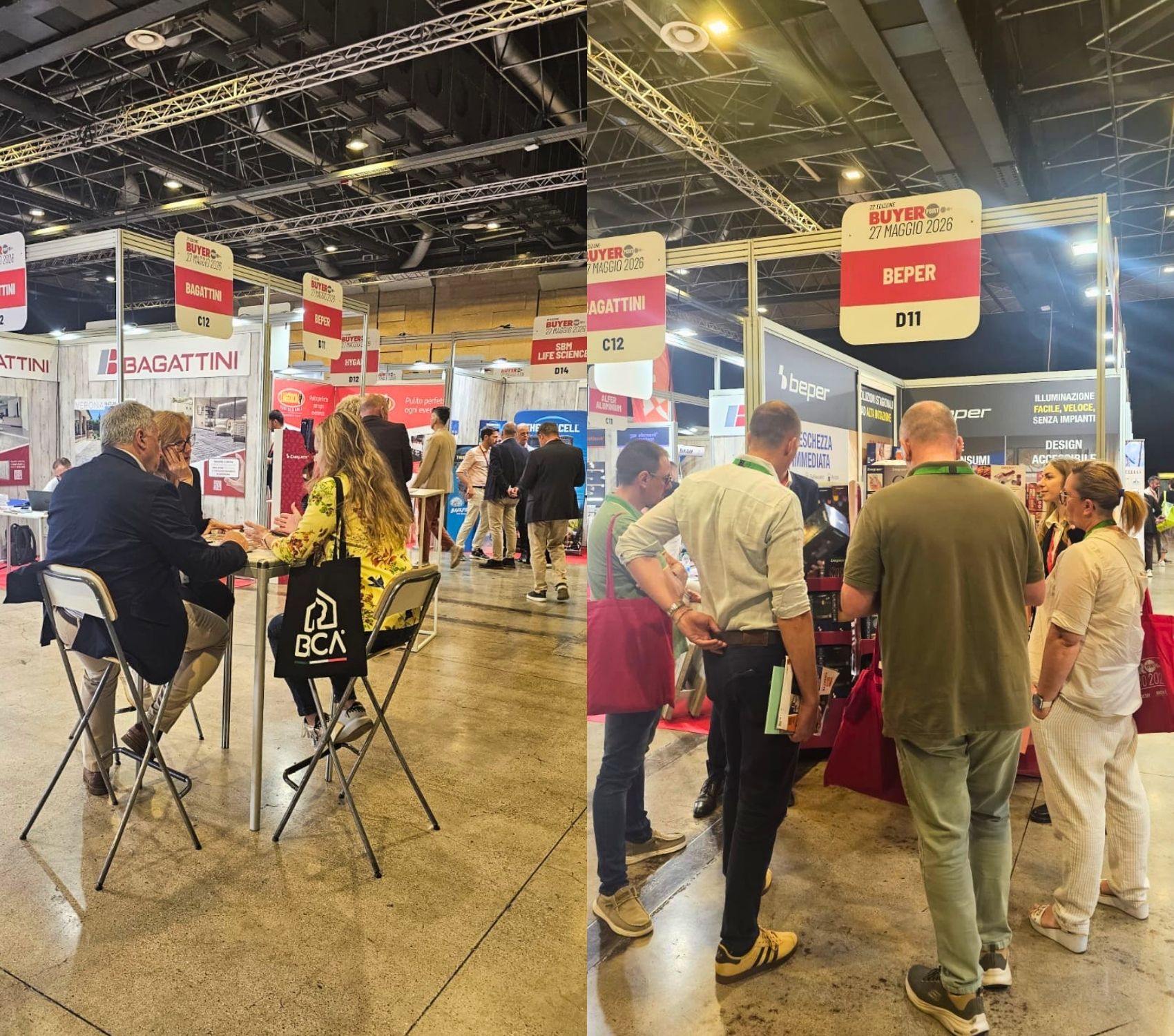
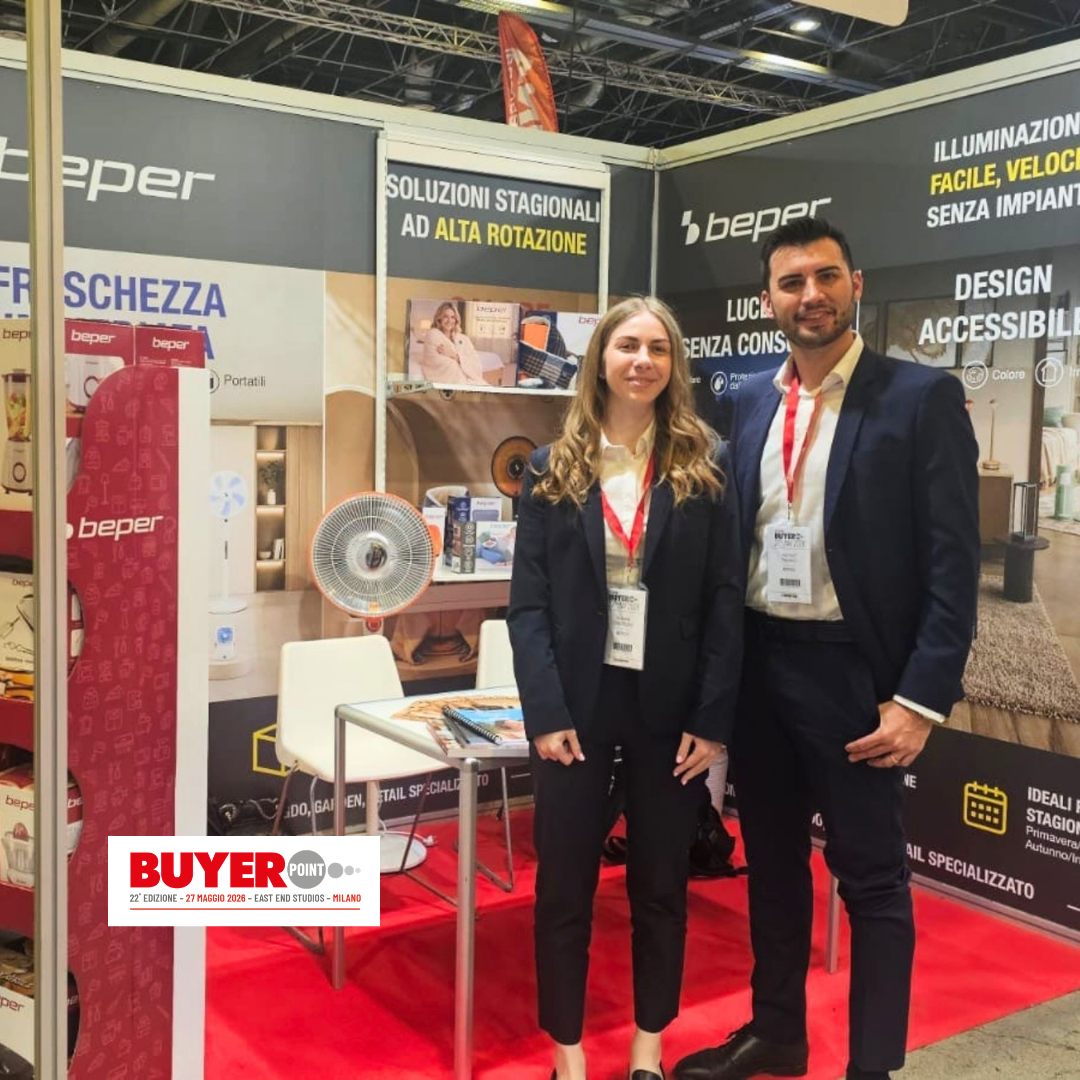
Taking part in Buyer Point was a truly positive and inspiring experience for Beper. It was an event quite different from the trade fairs we are usually accustomed to, but all the more interesting for it: a busy day, packed with meetings, discussions and new opportunities in the DIY, home and garden sector.
Buyer Point is a B2B event dedicated to the DIY, home & garden market, designed to bring together supply and demand through targeted meetings between companies and specialist buyers. The focused and highly targeted format allows exhibitors to connect with industry professionals, retailers, distributors, garden centres, wholesalers, buying groups and e-commerce platforms.
A DIFFERENT KIND OF TRADE FAIR, BUT PERFECTLY ALIGNED WITH OUR GROWTH
It was a real pleasure for us to take part in such a specialised and business-oriented event. Although it was a one-day event, we sensed great interest, engagement and positivity from the visitors.
We had the opportunity to meet established clients, as well as potential new partners interested in our offerings for the DIY and garden sector. This direct interaction allowed us to present our new products, listen to market needs and gain an even better understanding of the opportunities within a sector that is increasingly closely aligned with our business.
The 2026 edition of Buyer Point brought together Italian and international buyers from the DIY, home and garden market, with a strong presence of specialist operators and 120 exhibitors on the show floor.
BEPER AND THE DIY & GARDEN SECTOR: AN EVER-MORE STRATEGIC DIVISION
In recent years, the DIY, home & garden sector has become an increasingly important area for Beper. We are expanding our range with products designed to meet the needs of this market: practical, functional solutions suited to everyday life, for both indoor and outdoor spaces.
At Buyer Point, we showcased in particular our range dedicated to:
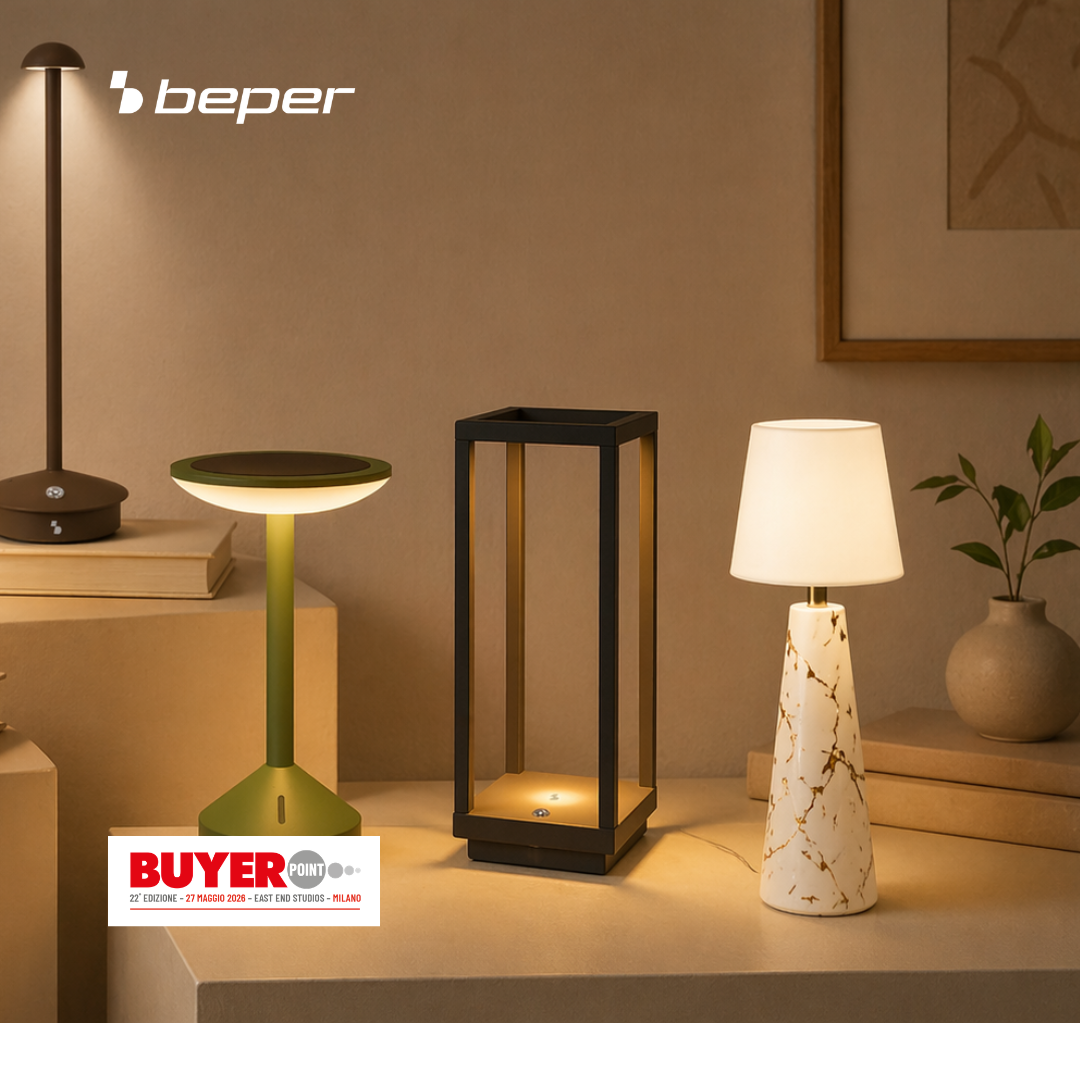
rechargeable and solar lighting, ideal for interiors, gardens, terraces and outdoor spaces;
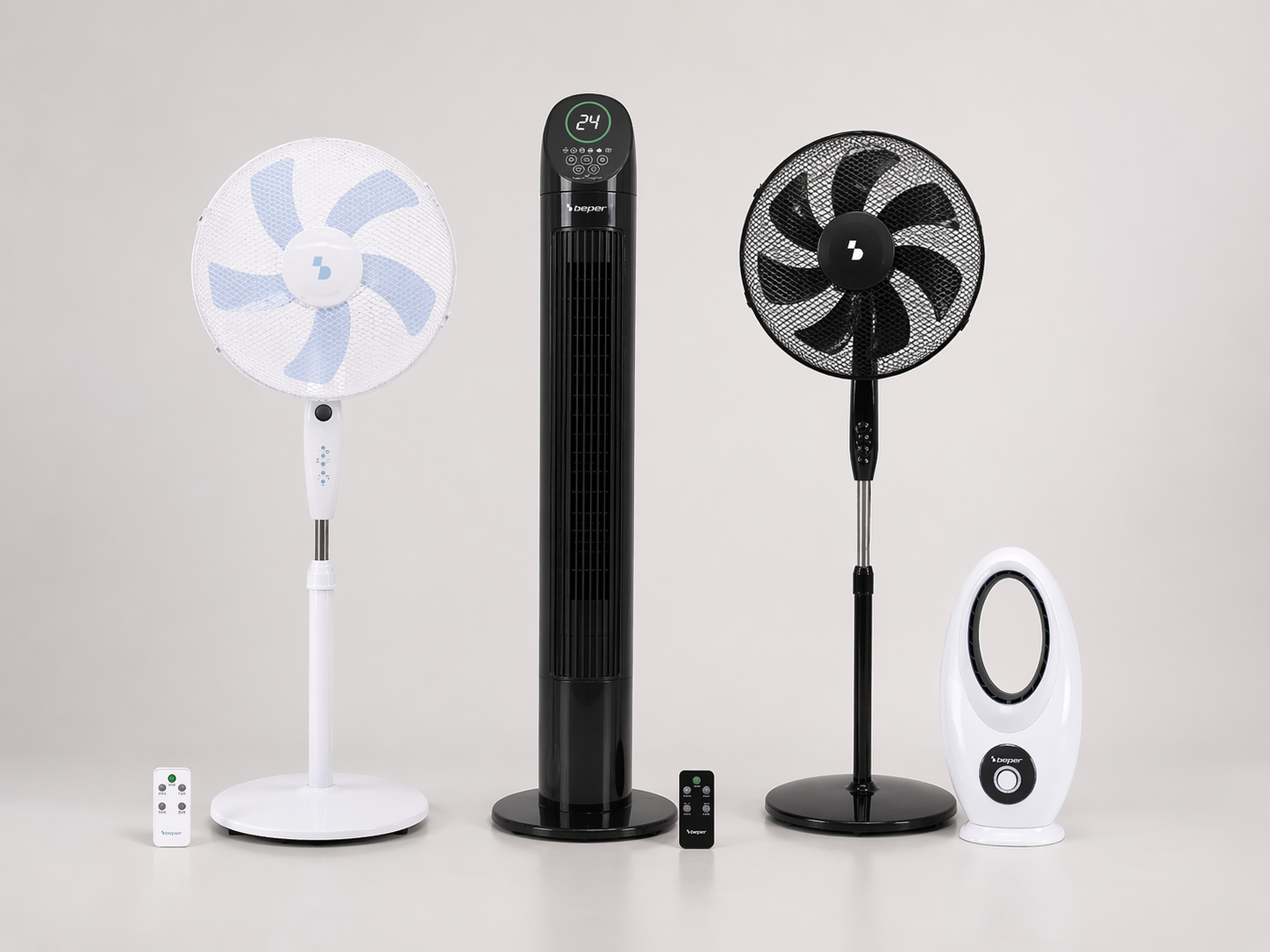
ventilation and climate control, with solutions designed to tackle the hot season;
products for the home and everyday well-being, practical, affordable and easy to integrate into DIY, garden and home living channels.
This participation confirmed just how much our catalogue can find a place even in a sector different from those traditionally closer to Beper, yet increasingly consistent with our vision: bringing useful, versatile products into homes, designed to simplify everyday life.
THE VALUE OF MEETINGS WITH SPECIALISED BUYERS
One of the most interesting aspects of Buyer Point was precisely the level of specialisation of the audience. Meeting sector buyers means being able to speak with knowledgeable contacts who are attentive to new developments and genuinely interested in identifying products suited to their sales channel.
This makes every meeting more concrete, more focused and more useful. For a company like Beper, which is increasingly building its presence in the DIY and garden sector, participating in such specialised events represents an important opportunity for growth.
Trade fairs and B2B events are not just about showcasing products: they are spaces for discussion, listening and building relationships. They allow us to understand where the market is heading, which products are generating the most interest and what opportunities may arise from direct dialogue with customers and potential partners.
THANK YOU TO EVERYONE WHO VISITED US
We would like to thank everyone who came to visit us during Buyer Point: customers, buyers, distributors and industry professionals who took the time to look at our products and allowed us to better showcase the world of Beper.
We have returned from this experience full of enthusiasm, new ideas and the realisation that the DIY, home & garden sector represents an environment where we can grow, raise our profile and build new partnerships.
Taking part in Buyer Point was an important step in strengthening our presence in this sector and continuing to offer solutions that are ever more closely aligned with market needs.
Beper continues to look ahead, bringing innovation, practicality and new ideas to the DIY and garden world too.
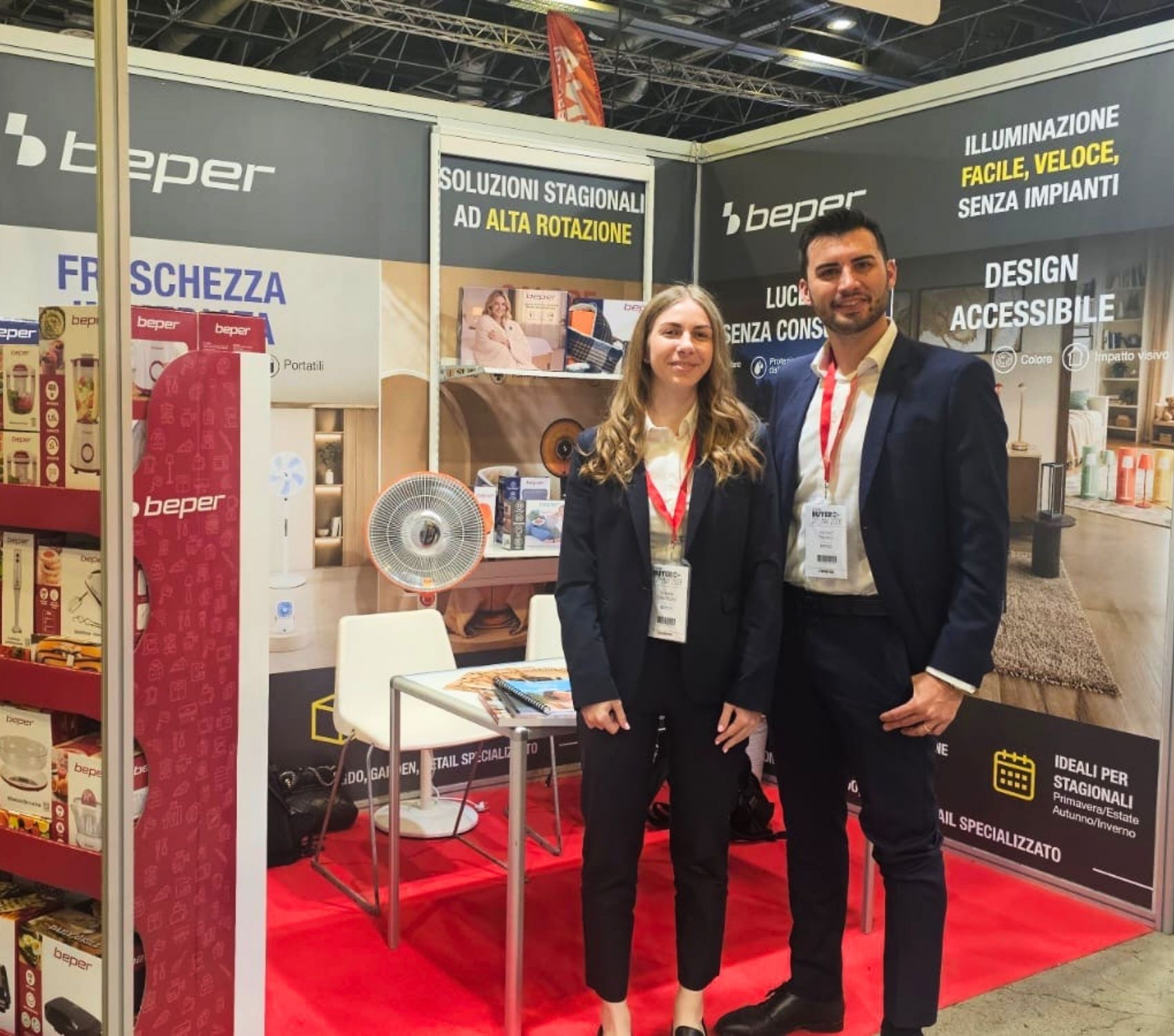
Buyer Point: we look forward to seeing you at stand D11
On 27 May 2026, we will be taking part in Buyer Point, Brico Home & Garden’s Speed Date, an exclusive event designed to bring together companies, buyers and industry professionals.
This invitation-only event offers a valuable opportunity to showcase new solutions, forge business relationships and discover products designed for the home, garden, outdoor and DIY markets.
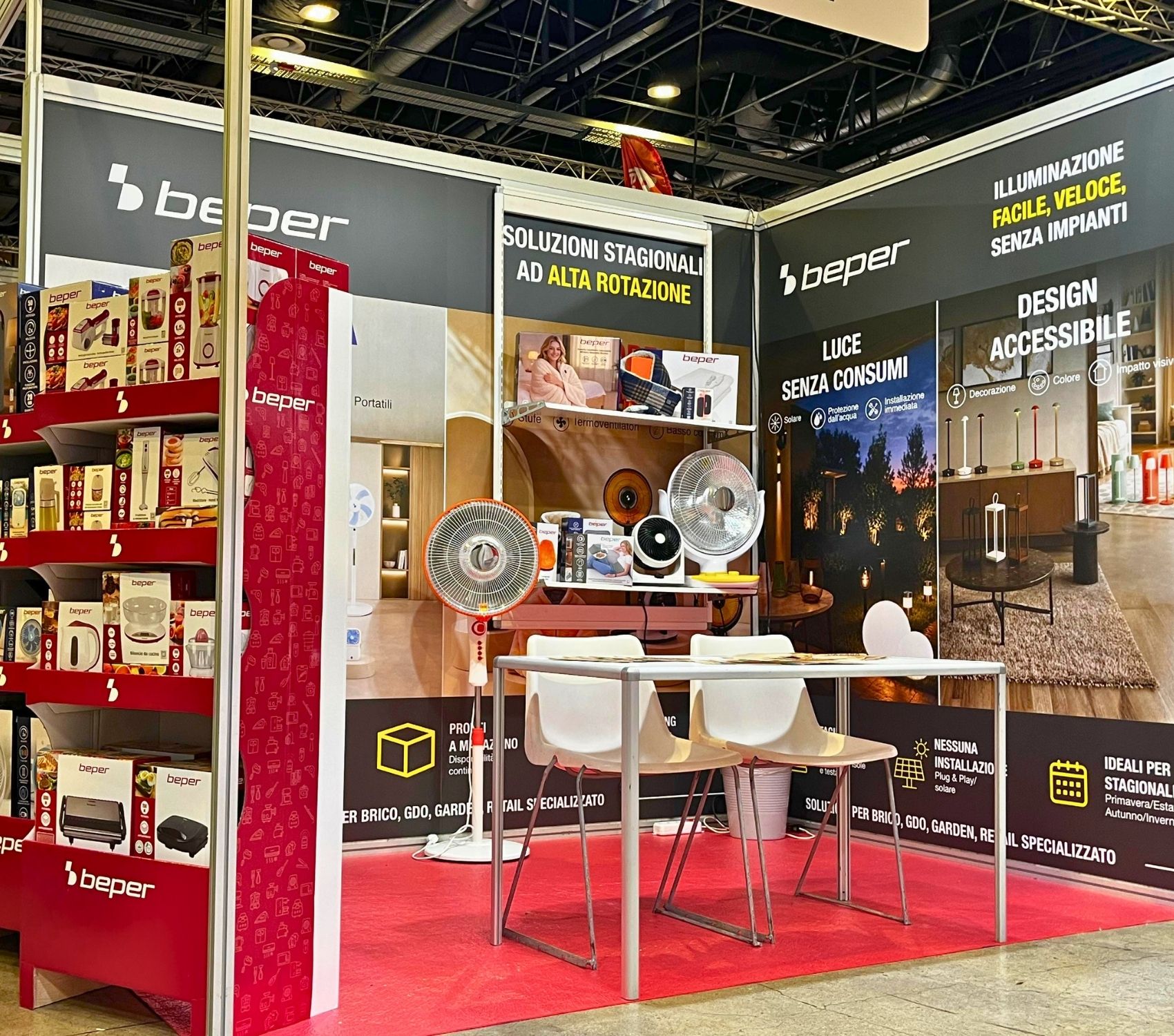
If you’re attending Buyer Point, we look forward to seeing you at stand D11, where we’ll be showcasing our range of rechargeable lighting, solar lighting and ventilation solutions.
Our lighting solutions are designed to offer convenience, independence and versatility, both in the home and in outdoor spaces. Our range of ventilation products, meanwhile, meets the needs for comfort and functionality in the home, at work and outdoors.
This will be a great opportunity to get to know our products up close, find out more about our latest innovations and explore new opportunities for collaboration within the Brico Home & Garden world.
Outdoor lighting: 3 strategic solutions to enhance any space
With growing demand in the outdoor sector, outdoor lighting is now a key commercial driver for retailers, distributors and operators in the home and garden sector.
It is not just about providing light, but about enhancing spaces, improving the user experience and increasing the perceived value of the end product. Offering comprehensive and versatile solutions enables you to meet a range of purchasing needs and expand sales opportunities.
Here are 3 strategic categories on which to build an effective product range.
1. FUNCTIONAL LIGHTING: SAFETY AND EVERYDAY USE
Functional lighting solutions are among the most sought-after because they meet concrete and immediate needs.
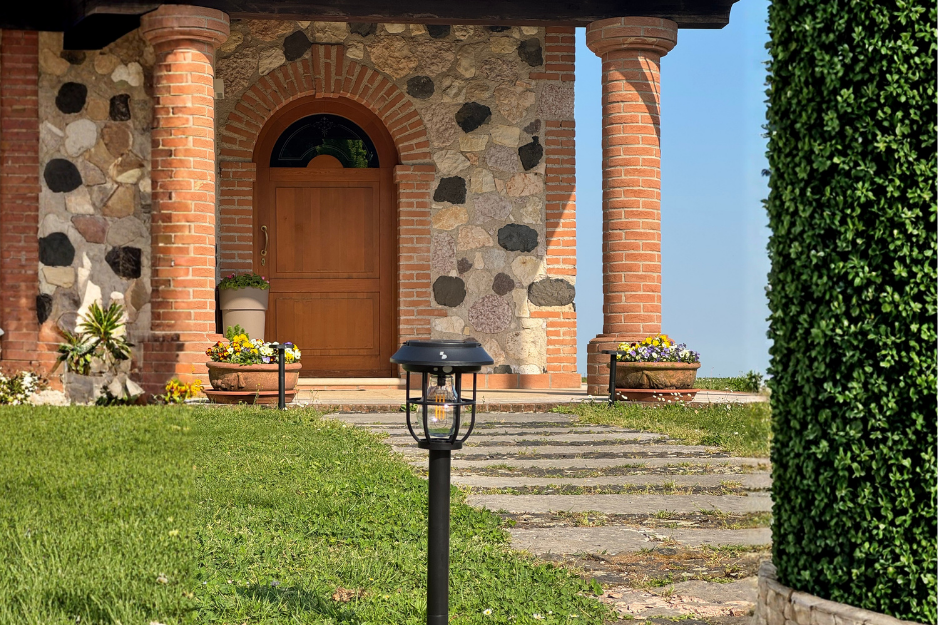
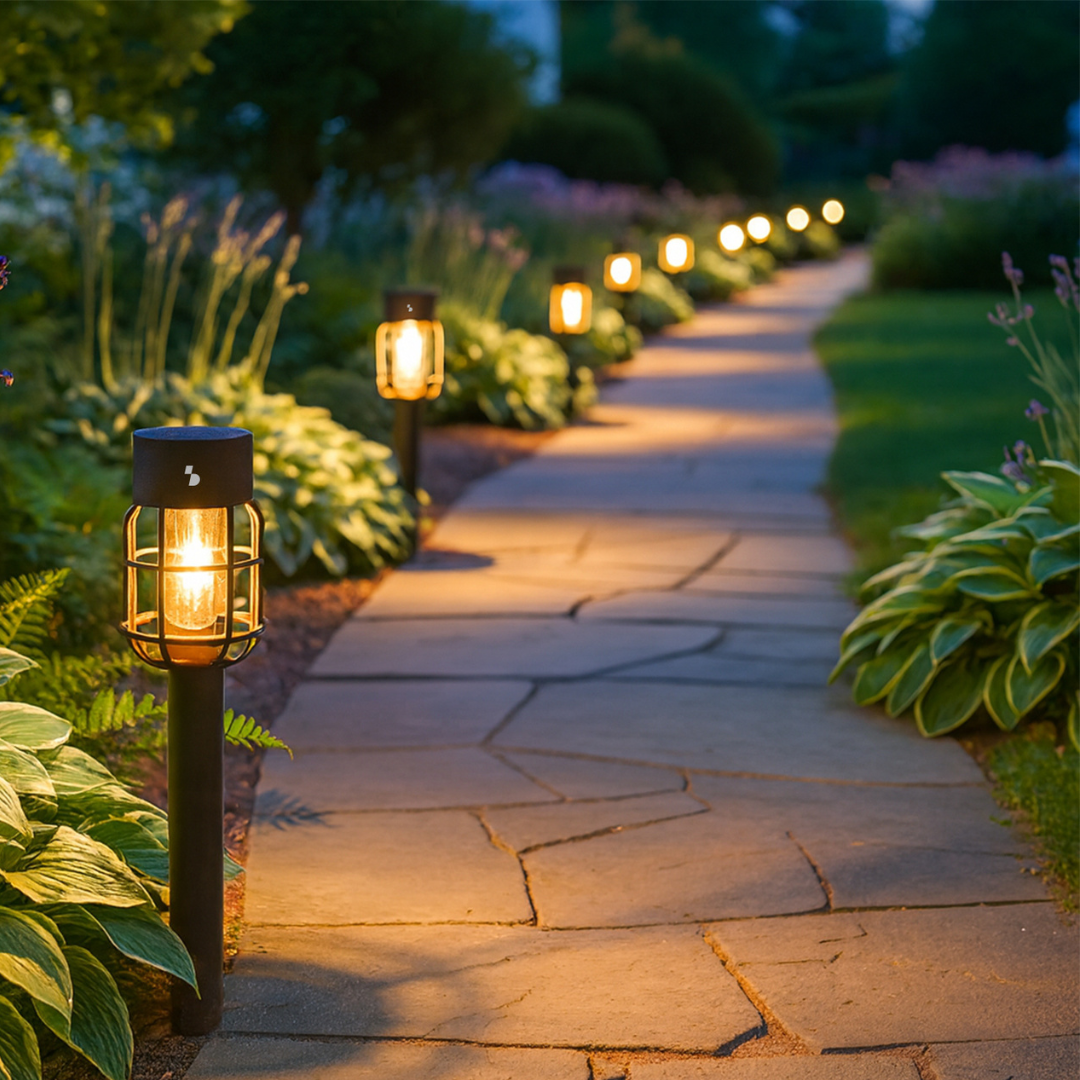
This category includes path lights for driveways and walkways, lighting for external staircases, and lights for entrances and access points. These are high-turnover products, ideal for ensuring safety when moving around, ease of installation and everyday use.
Solar-powered versions represent a significant competitive advantage: they eliminate the need for wiring and make the product accessible even to a less experienced target audience.
For the retail outlet, this category is essential for generating consistent sales volumes and meeting a broad range of demand.
2. ATMOSPHERIC LIGHTING: OUTDOOR EXPERIENCE AND COMFORT
Alongside functionality, there is a growing demand for solutions that enhance the experience of outdoor spaces.
This category includes lamps for outdoor dining areas, lighting for seating areas and relaxation zones, and decorative portable lamps. These products meet an emotional need: to create welcoming and liveable environments even in the evening hours.
From a commercial perspective, they help increase the average transaction value, lend themselves to bundled sales, and have a strong visual impact both in-store and online.
They are therefore ideal for enriching the product range and standing out with solutions offering greater perceived value.
3. SCENIC LIGHTING: DESIGN AND ENHANCEMENT OF SPACES
Scenic lighting is a rapidly growing segment, increasingly in demand for well-designed outdoor projects.
The main applications include lighting for swimming pools and water features, spotlights for trees and vegetation, and lighting points for architectural enhancement.
These solutions allow you to create striking visual effects, highlight natural and structural elements, and completely transform the perception of space.
This is a strategic category for positioning yourself in a higher-end market segment and attracting customers seeking distinctive solutions.
A CONCRETE OPPORTUNITY: SOLAR SOLUTIONS
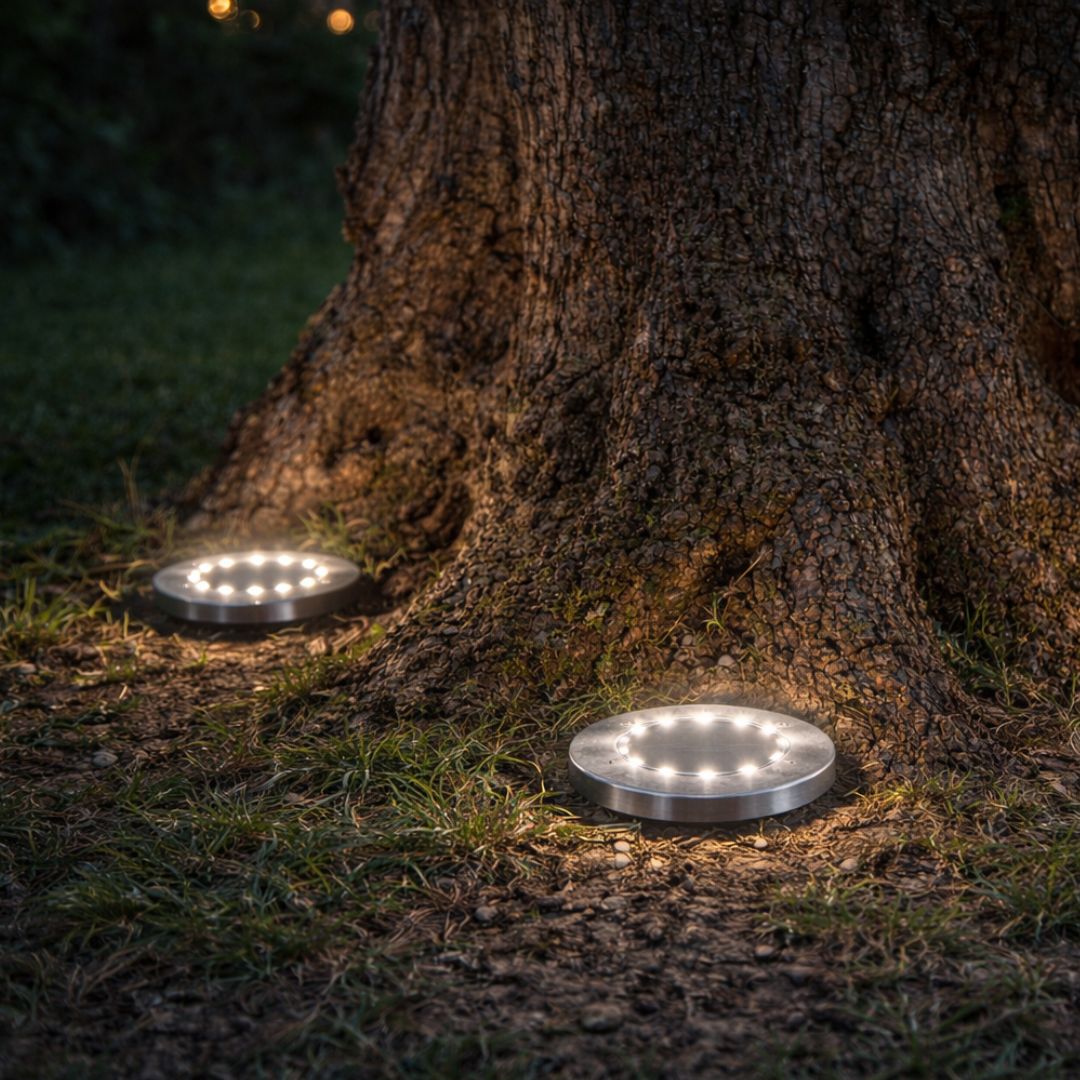
Solar lamps are currently one of the most attractive offerings on the market: immediate installation, zero energy consumption, minimal maintenance and wide versatility of use.
These advantages make them ideal for both the end consumer and the retailer, who can offer a simple, effective and fast-moving product.
Would you like to expand your range with outdoor lighting solutions?
Contact us to discover our range dedicated to the wholesale sector: we will help you identify the products best suited to your shop and your target audience.
Illuminazione solare da esterno: le novità presentate a Milano Home 2026
Negli ultimi anni l’illuminazione solare da esterno è diventata una delle soluzioni più richieste per arredare giardini, terrazze e spazi outdoor. Non si tratta più solo di una scelta sostenibile, ma di un vero elemento di design per l’arredo giardino.
Proprio per questo motivo abbiamo scelto di partecipare a Milano Home, una delle fiere più importanti dedicate al mondo della casa e dell’home living. Un’occasione preziosa per presentare le novità 2026 dell’illuminazione solare e confrontarci con i protagonisti della filiera: retailer, interior designer, distributori e professionisti dell’arredo.
Perché abbiamo partecipato a Milano Home
Il negozio rappresenta il principale punto di contatto tra brand e cliente finale. È qui che le persone scoprono i prodotti, si informano e trovano soluzioni per migliorare la propria casa.
Milano Home nasce proprio con questo obiettivo: creare un luogo di incontro tra chi progetta, distribuisce e vende prodotti per la casa.
La fiera riunisce infatti una community composta da: Retail e negozi specializzati, Catene e GDO, Interior designer, Strutture di microricettività, Settore promozionale.
In un contesto come questo, presentare le nostre novità significa ascoltare il mercato, comprendere le nuove tendenze e costruire relazioni concrete con i professionisti del settore.
Milano Home non è una semplice esposizione di prodotti, ma un evento pensato per ispirare, condividere idee e creare opportunità di crescita per il mondo dell’home living.
Non solo cucina: il nostro focus è stato l’arredo outdoor
Chi conosce il nostro brand sa che siamo molto presenti nel mondo dei piccoli elettrodomestici per la cucina.
Quest’anno però abbiamo fatto una scelta precisa: in fiera abbiamo voluto raccontare un’altra parte della casa.
Abbiamo deciso di portare anche l’illuminazione solare, perché oggi il giardino non è più solo uno spazio esterno, ma un vero ambiente da vivere.
E in un giardino, si sa, anche la luce parla.
L’illuminazione giusta può trasformare completamente uno spazio outdoor:
crea atmosfera
valorizza piante e percorsi
rende gli spazi più accoglienti
aumenta sicurezza e visibilità durante la notte
Per questo abbiamo ampliato la nostra gamma con nuove soluzioni di illuminazione solare da giardino.
Se stai pensando di rinnovare giardino, terrazzo o balcone, questo è il momento giusto per scoprire le nuove soluzioni di illuminazione solare da esterno.
Le lampade solari non solo valorizzano i tuoi spazi outdoor, ma ti permettono anche di illuminare in modo sostenibile, pratico e senza consumi elettrici.
Il nostro stand, le nostre idee, il futuro della casa
Milano Home non è stata solo una fiera.
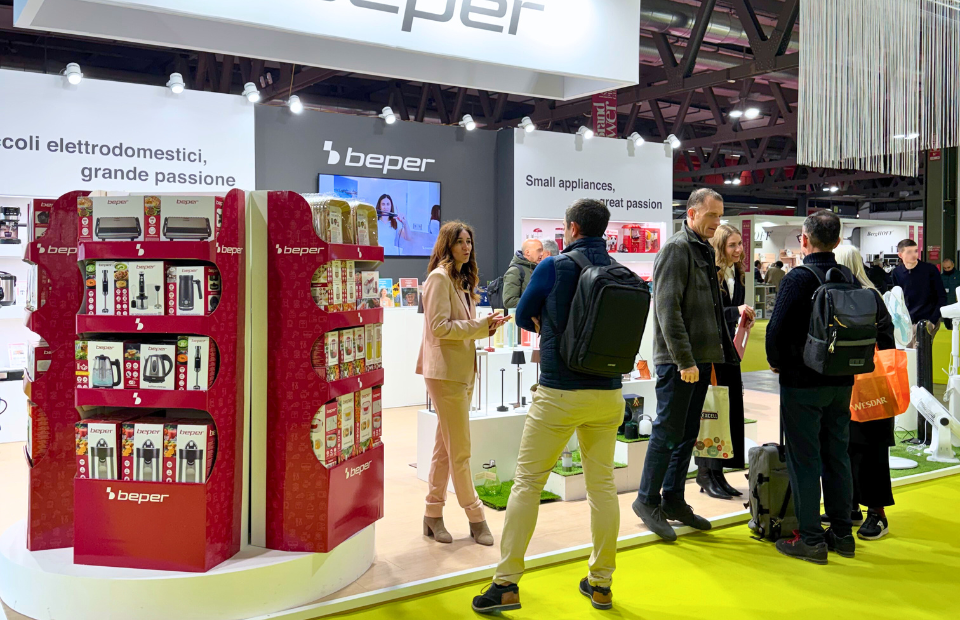
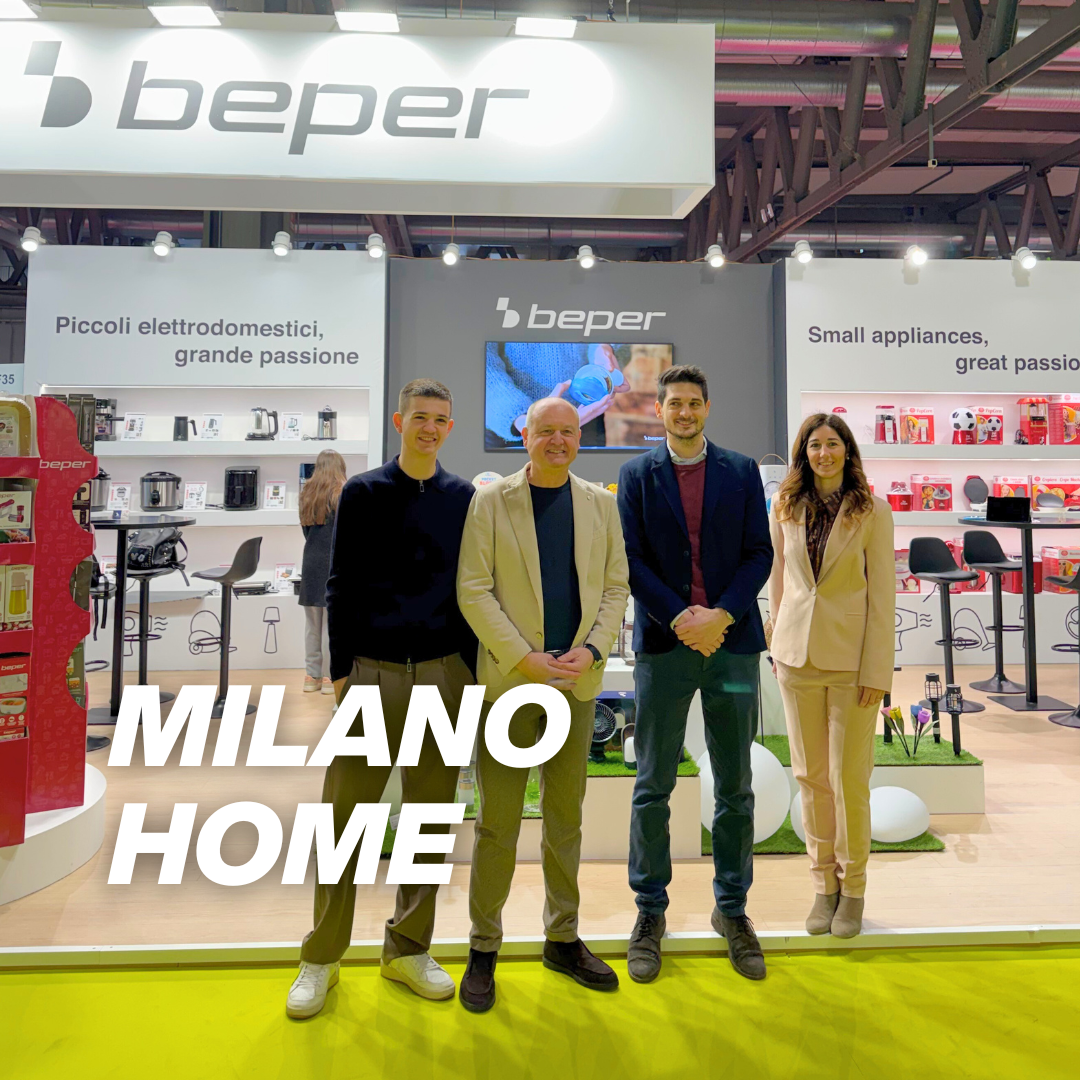
È stata un luogo di incontro, di scambio e di ispirazione. È stata soprattutto l’occasione per raccontare, attraverso il nostro stand a Milano Home, cosa significa oggi pensare la casa in modo concreto, funzionale e contemporaneo.
Durante i giorni di fiera abbiamo accolto professionisti, partner e visitatori con una visione chiara: la casa non è fatta solo di prodotti, ma molto di più.
Ventilazione, illuminazione e Pall box: il cuore del nostro stand
Chi è passato dal nostro stand ha potuto toccare con mano soluzioni pensate per migliorare la vita quotidiana.
La ventilazione come alleata del benessere, per ambienti più confortevoli e una migliore qualità dell’aria.
L’illuminazione come elemento che non si limita a “fare luce”, ma crea atmosfera, accompagna i momenti della giornata e valorizza gli spazi.
Due mondi diversi, un’unica visione: rendere la casa più semplice, funzionale e vicina alle persone che la vivono ogni giorno.
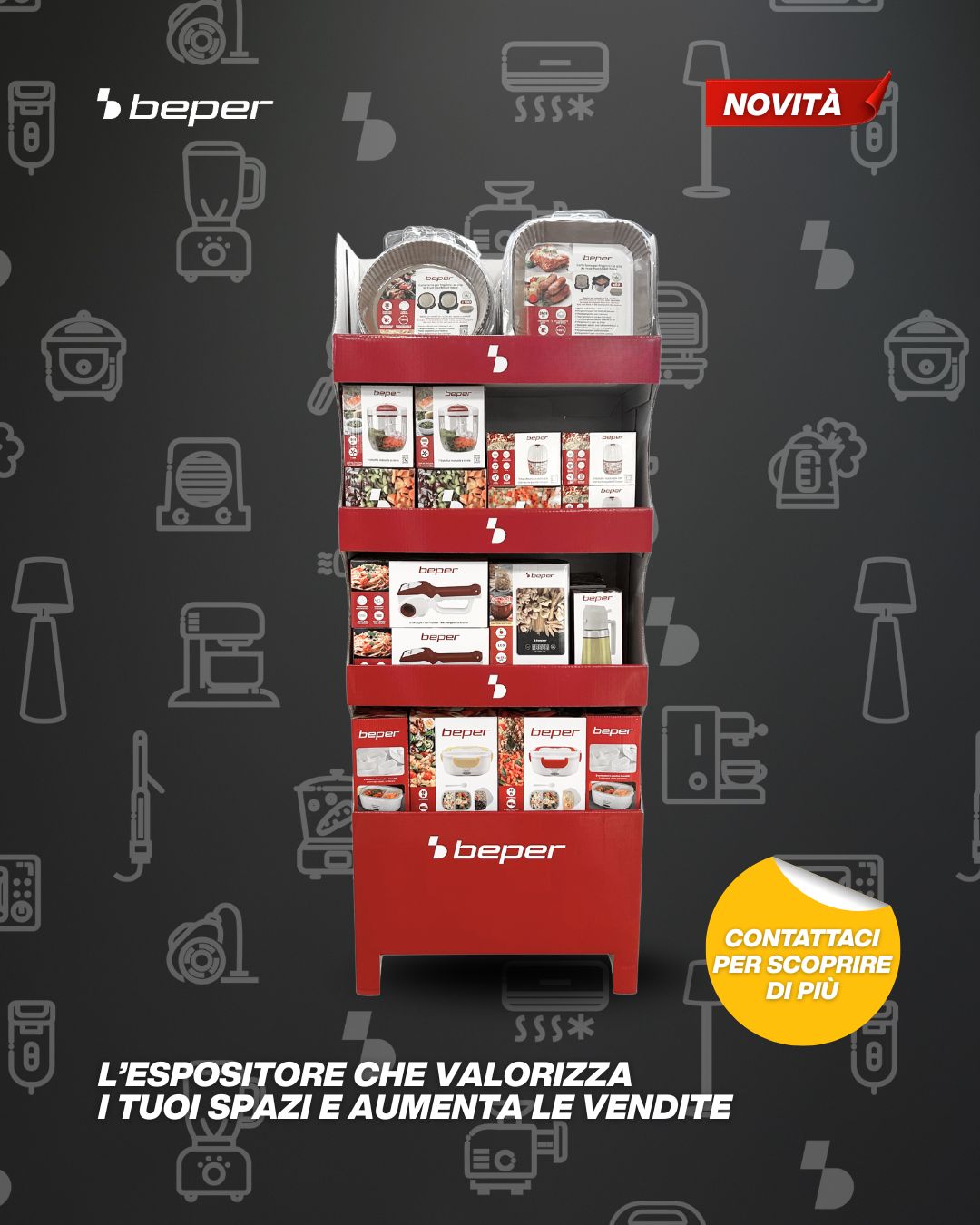
Infine, i Pallbox, nati per rendere l’esposizione più efficace, migliorare la visibilità del prodotto e facilitare la scelta del consumatore nel punto vendita.
Il valore dell’incontro diretto
Milano Home è anche questo: guardarsi negli occhi, ascoltare, confrontarsi.
Avere uno stand in fiera ci ha permesso di raccogliere feedback reali, capire le esigenze del mercato e dialogare con chi lavora ogni giorno nel settore home & living. È proprio da questi momenti che nascono le idee migliori, quelle che poi diventano prodotti e soluzioni concrete.
Da Milano Home al futuro
Torniamo da Milano Home con nuove energie, spunti preziosi e la conferma che siamo sulla strada giusta. Le ispirazioni raccolte durante la fiera saranno il punto di partenza per nuovi progetti dedicati ai nostri clienti e partner. Perché per noi innovare significa questo: partire dall’ascolto, osservare i trend del settore casa e trasformarli in soluzioni che migliorano davvero il modo di vivere gli spazi.
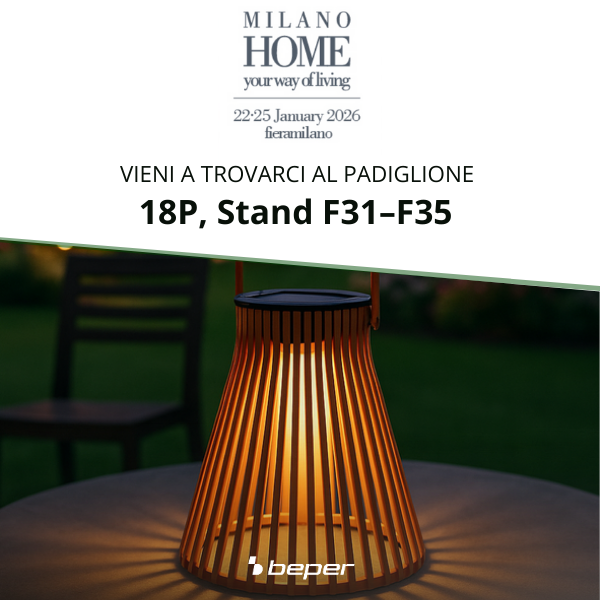
Beper conferma la propria presenza a Milano Home Exhibition 2026, uno degli eventi di riferimento per il settore casa, design e lifestyle, punto d’incontro tra aziende, buyer e professionisti del mondo home.
Dal 22 al 25 gennaio 2026 saremo in Fiera Milano per presentare la nostra visione di comfort domestico, fatta di soluzioni funzionali, contemporanee e pensate per migliorare la qualità della vita quotidiana.
I nostri auguri di Natale: un grazie speciale da tutta la famiglia Beper
Il periodo più luminoso dell’anno è arrivato, e noi vogliamo cogliere l’occasione per dedicare un pensiero speciale a tutti voi che, ogni giorno, scegliete Beper per accompagnare la vostra quotidianità.
Il 2025 è stato un anno intenso e ricco di progetti: nuove collezioni, nuove sfide e una grande voglia di migliorare sempre, mantenendo al centro la casa e il benessere delle persone.
Tutto questo è possibile solo grazie alla fiducia che ci dimostrate e al lavoro di un team che mette passione in ogni dettaglio.
In questo Natale vi auguriamo:
- momenti caldi e autentici,
- tempo per chi amate,
- una casa che profuma di serenità.
Da parte di tutto il team Beper, grazie per aver condiviso con noi quest’anno.
Che il 2026 porti luce, ispirazioni e nuovi inizi da vivere insieme.
Nel settore della GDO, ottimizzare gli spazi espositivi è fondamentale per migliorare l’esperienza del cliente e aumentare la redditività del punto vendita. Ogni metro quadrato deve essere valorizzato con soluzioni pratiche, visibili e capaci di guidare il consumatore nella scelta. È in questo contesto che nasce il Pall Box, l’espositore compatto e personalizzabile che semplifica il lavoro in corsia e mette in risalto i prodotti.
PERCHÉ IL PALL BOX FA LA DIFFERENZA
Progettato ascoltando le esigenze dei punti vendita, il Pall Box offre un supporto concreto alla gestione quotidiana degli spazi. Il suo design compatto permette di inserirlo facilmente in qualsiasi reparto, mentre la struttura d’impatto cattura l’attenzione del cliente al primo sguardo. Non richiede allestimenti complessi, non sottrae tempo al personale e contribuisce a rendere più ordinata e riconoscibile l’area espositiva.
Inoltre, nasce con una selezione mirata di prodotti ad alta rotazione, studiata per favorire il sell-out e incrementare le vendite. Ogni display può essere personalizzato in base al target del punto vendita, rendendo l’offerta ancora più rilevante per il consumatore finale.
ESPOSIZIONE SUBITO OPERATIVA: Uno dei principali vantaggi del Pall Box è la sua immediatezza. Arriva già completo di prodotti e pronto all’uso: basta posizionarlo, rimuovere il rivestimento esterno e iniziare a vendere. Questa soluzione permette di ottimizzare i tempi, ridurre attività di allestimento e avere reparti sempre aggiornati e performanti.
SOLUZIONI TEMATICHE PER OGNI PERIODO: Per rendere l’esposizione ancora più efficace, il Pall Box è disponibile anche in versioni tematizzate. Dalla cura della persona ai prodotti per il riscaldamento, fino agli articoli dedicati alla cucina pratica, ogni proposta risponde alle esigenze del momento e alle richieste del reparto. La possibilità di scegliere temi già pronti o creare composizioni personalizzate offre al punto vendita una flessibilità totale.
UN SUPPORTO AL LAVORO DI REPARTO: Il Pall Box nasce per semplificare le operazioni quotidiane: aiuta a mantenere gli spazi ordinati, aumenta la visibilità dei prodotti, guida il cliente nell’acquisto e favorisce la rotazione degli articoli. Per il retailer significa meno gestione, più efficienza e un miglioramento tangibile della resa espositiva.
PORTA IL PALL BOX NEL TUO NEGOZIO
Vuoi scoprire tutte le varianti disponibili, valutare una proposta tematica o costruire una selezione su misura per il tuo pubblico?
Il valore del gioco di squadra
Il team building è una strategia aziendale che punta a rafforzare i legami tra colleghi, migliorare la comunicazione e creare un clima di collaborazione che si riflette direttamente nel lavoro quotidiano.
In un contesto aziendale, il team building aziendale aiuta le persone a conoscersi meglio, a fidarsi l’una dell’altra e a comprendere quanto ogni ruolo — dal più operativo al più strategico — sia fondamentale per il raggiungimento degli obiettivi comuni.
Non si tratta solo di “fare squadra”, ma di diventare squadra, imparando a unire competenze, idee e personalità diverse verso un’unica direzione.
___________________________________________
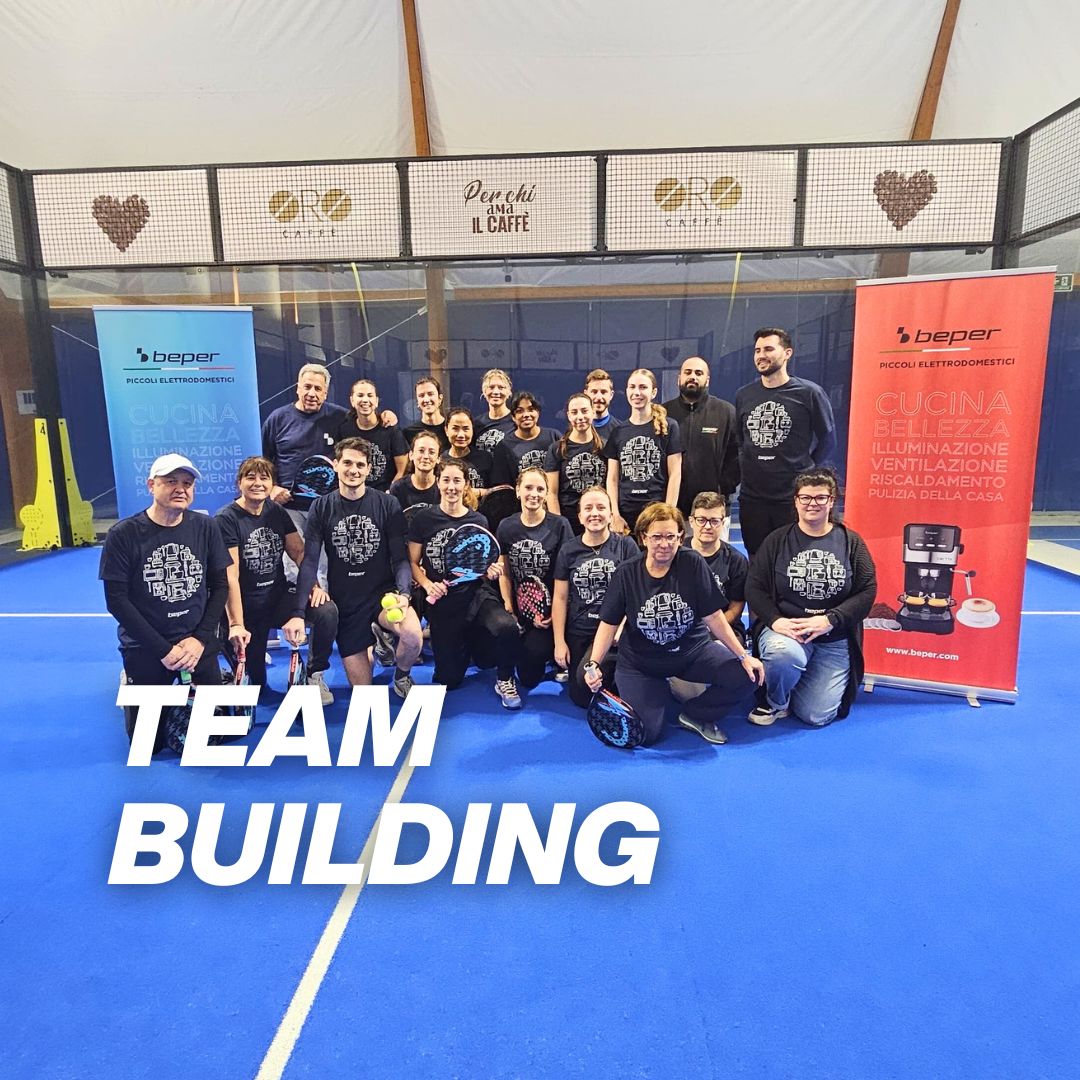
Il nostro team building: un torneo di padel tra colleghi
Per noi, il gioco di squadra non si ferma alle riunioni o ai progetti in ufficio.
Abbiamo deciso di viverlo anche in campo, organizzando un torneo di padel aziendale che ha coinvolto tutto il nostro team.
Un momento di svago e di sana competizione che ci ha permesso di conoscerci meglio, divertirci e scoprire lati nuovi dei colleghi con cui condividiamo ogni giorno gli obiettivi aziendali.
___________________________________________
Cosa ci ha lasciato questa esperienza
Durante il nostro torneo di padel c’è stato chi ha scoperto un nuovo sport, chi ha condiviso qualche trucco, chi ha vinto e chi ha perso… ma tutti ci siamo messi in gioco per rafforzare i legami, conoscere meglio i colleghi e costruire insieme un gruppo sempre più unito e affiatato.
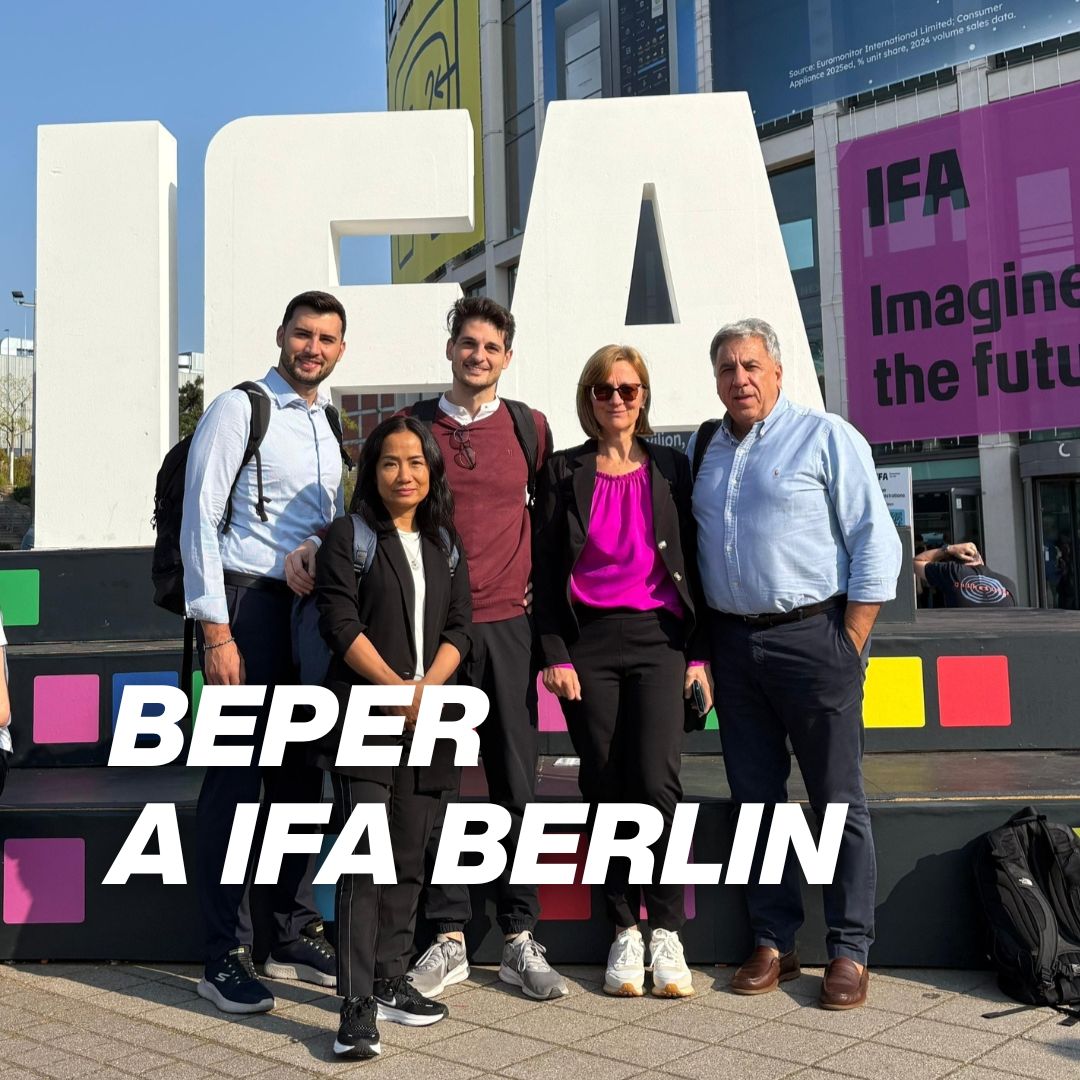
Essere presenti a IFA Berlin, la più importante fiera internazionale dell’elettronica e degli elettrodomestici, non è solo una tradizione per Beper, ma un appuntamento strategico per guardare al futuro dell’innovazione tecnologica.
Da molti anni partecipiamo a questa fiera internazionale a Berlino e ogni edizione ci permette di tornare con nuove idee, contatti di valore e spunti sui trend di mercato elettrodomestici e tecnologia. Un’occasione preziosa per anticipare le esigenze dei consumatori e rafforzare la nostra presenza nel settore.
Un impegno costante verso l’innovazione
La nostra partecipazione a IFA Berlin 2025 rappresenta una conferma del nostro percorso: essere sempre un passo avanti nello sviluppo di piccoli elettrodomestici innovativi e di soluzioni smart per la casa.
Visitare questa fiera tecnologica internazionale ci consente di osservare da vicino le ultime novità, raccogliere ispirazioni e trasformarle in progetti concreti al servizio di clienti e partner.
Guardare avanti insieme
Ogni anno, IFA Berlin dimostra quanto sia fondamentale restare aggiornati e aperti al cambiamento. Le innovazioni tecnologiche e i trend del mercato degli elettrodomestici visti a Berlino sono la base su cui costruire nuove soluzioni pratiche, affidabili e sostenibili.
➡️ Siamo pronti a trasformare le opportunità raccolte durante la fiera di Berlino in nuovi progetti, per continuare a crescere insieme a clienti e partner.
After the lightness of the summer holidays, September marks the return to everyday life: schools reopen, offices become full again and diaries fill up with appointments.
If summer gave us freedom and carefreeness, the autumn months bring us back to the beauty of a more structured routine. Returning to 'winter' rhythms means rediscovering the pleasure of a hot lunch during the work break, of a tidy and well-lit desk, or of a coffee shared with colleagues that becomes a reassuring ritual.
THE LUNCH THAT WARMS THE DAY
Whether in the office, at school or at home in smart working, a hot, quick meal helps to maintain energy and concentration. Practical tools such as rice cookers, electric kettles and food warmers make it easier to prepare healthy recipes without sacrificing taste.
THE SPACE TO CONCENTRATE
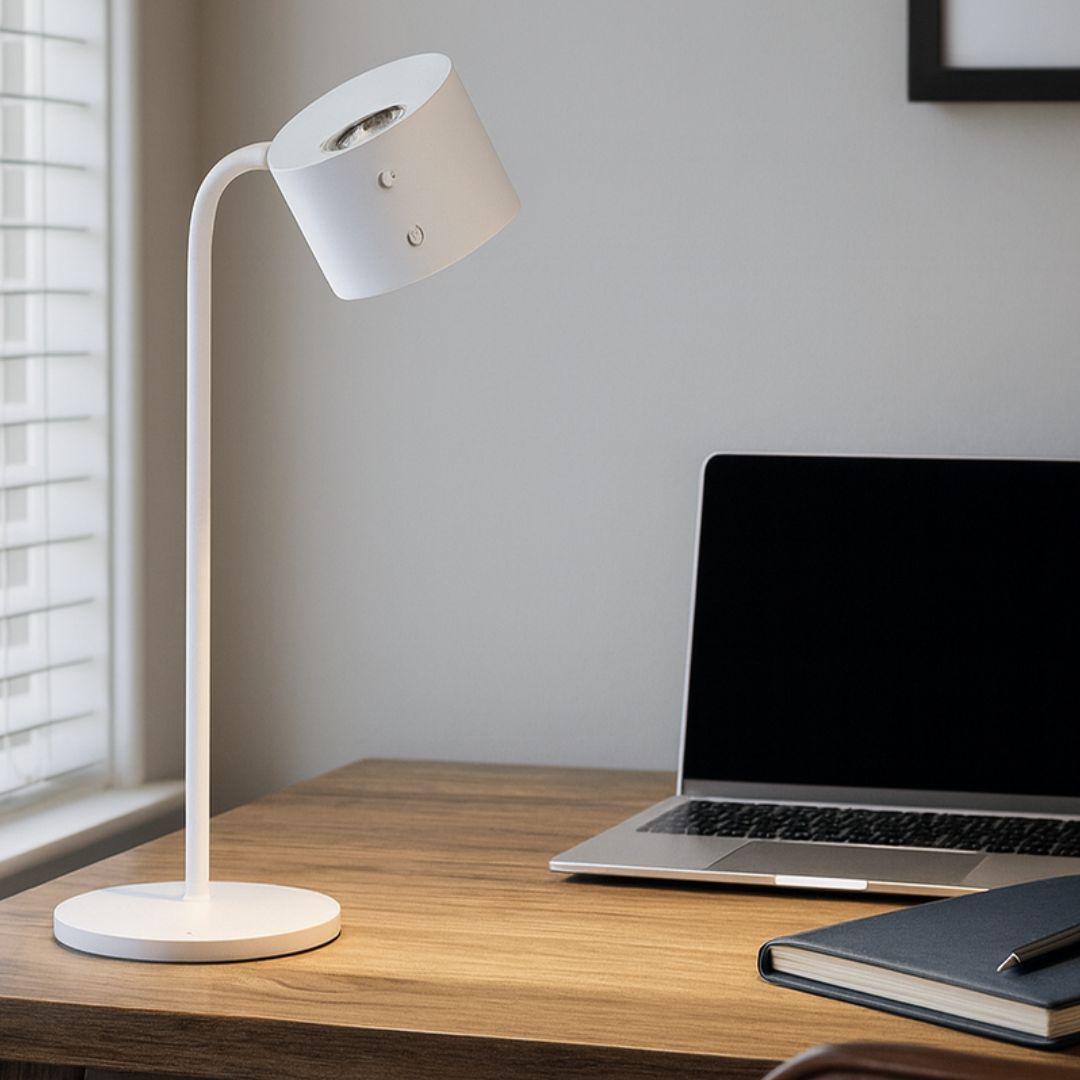
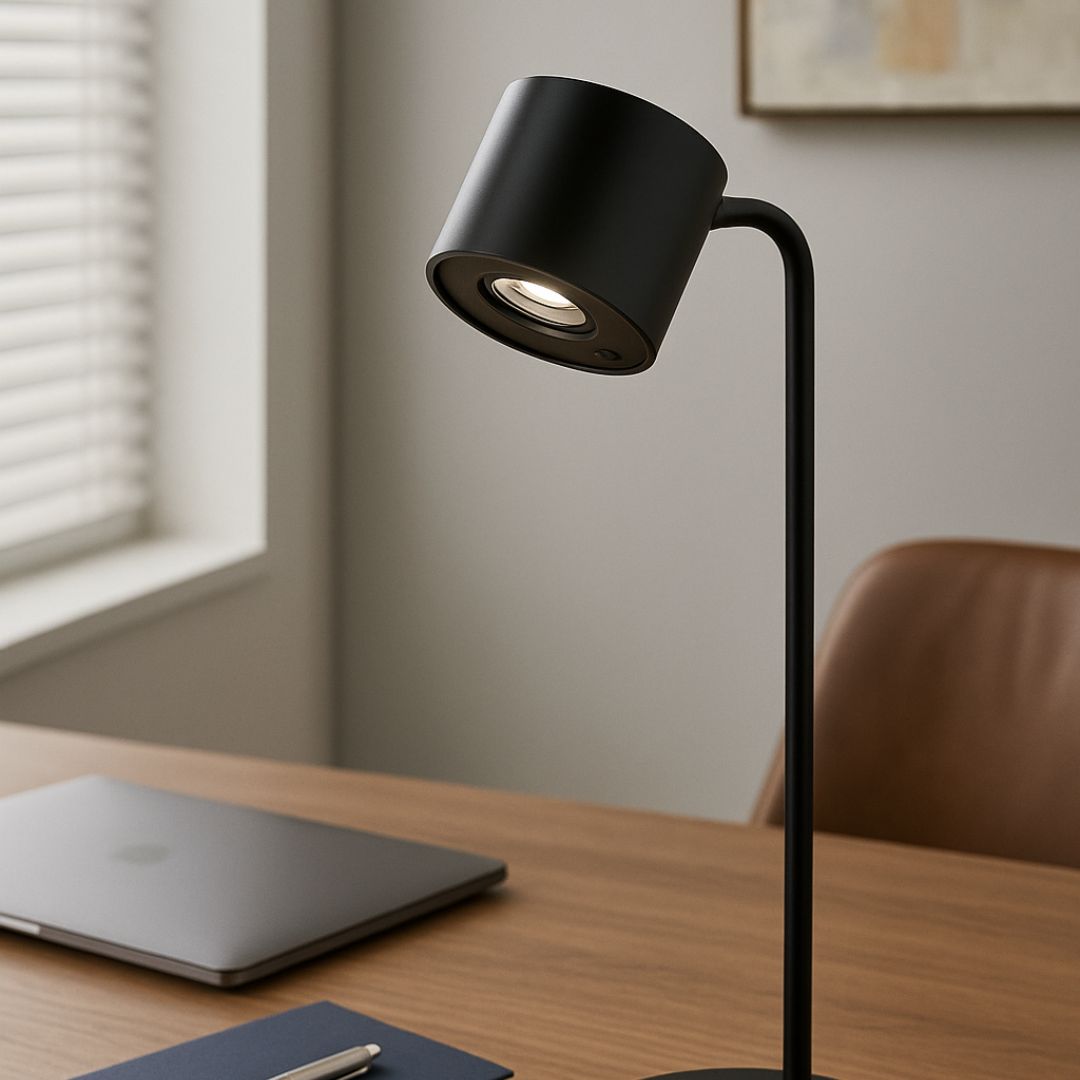
With the arrival of shorter days, light becomes even more important. A rechargeable desk lamp, compact and adjustable, transforms every corner of the house into an ideal environment for studying, reading or working with the right atmosphere.
A BREAK THAT TASTES LIKE HOME
Returning to the office is never easy, but there is a positive side: a return to daily rituals. A toaster for an unusual breakfast, a milk frother for a perfect cappuccino, a juicer to start the day with natural vitamins... small gestures that make even the most ordinary Monday special.
Find out more about the product by visiting our website! https://www.beper.com/
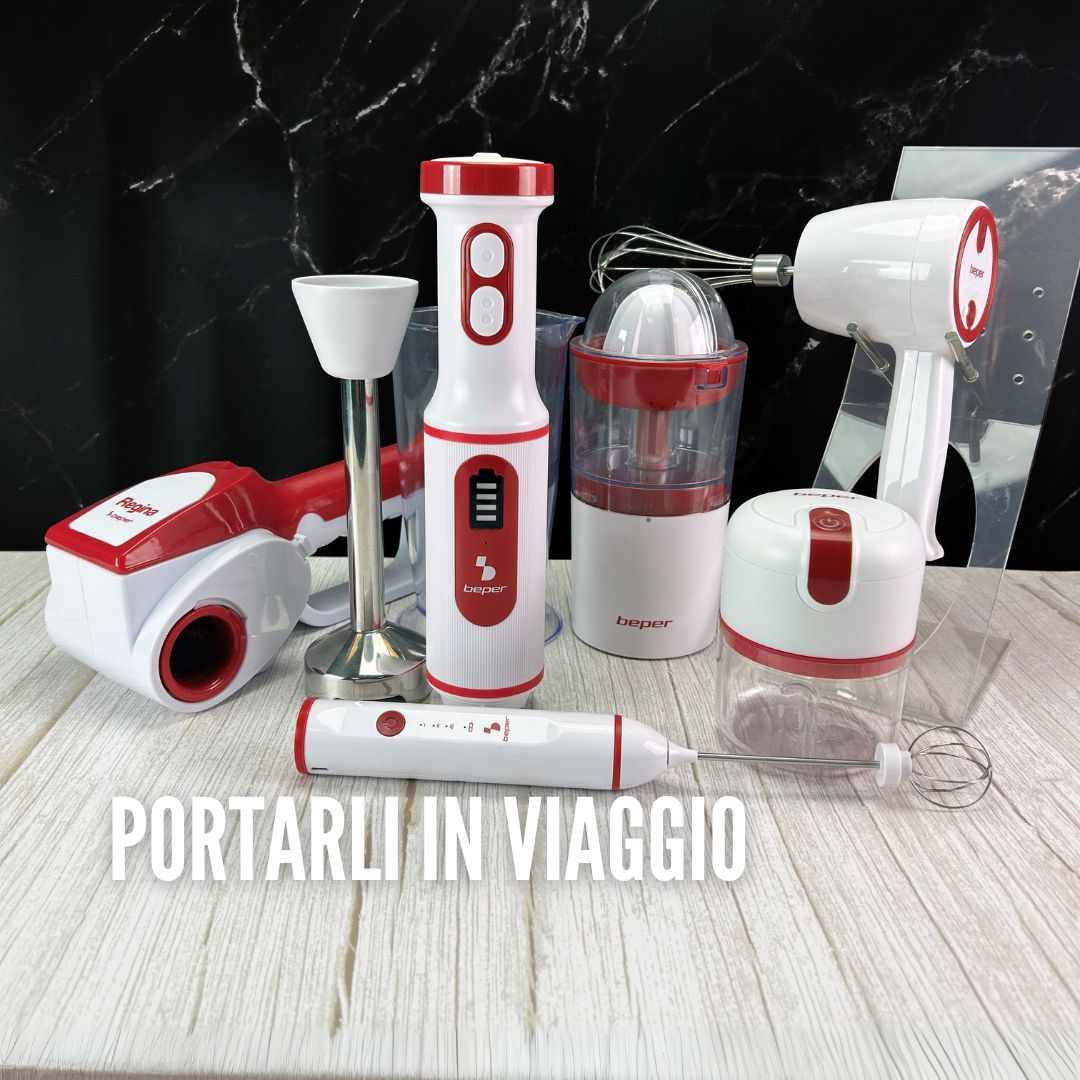
Summer on the road? With Beper's small rechargeable appliances, cooking is easy anywhere
In summer, it's off to camp, the sea, the mountains or a weekend in a camper van. But who said that away from home you have to give up practicality and taste?
With Beper's rechargeable kitchen appliances, you take everything you need with you... and take up very little space.
SMART COOKING EVEN ON HOLIDAY
Forget sockets, batteries and clutter. Our USB rechargeable kitchen devices are designed for people who like to be on the move without giving up the pleasure of preparing something tasty, wherever they are.
Ideal for campers, caravans, boats, holiday homes and small spaces.
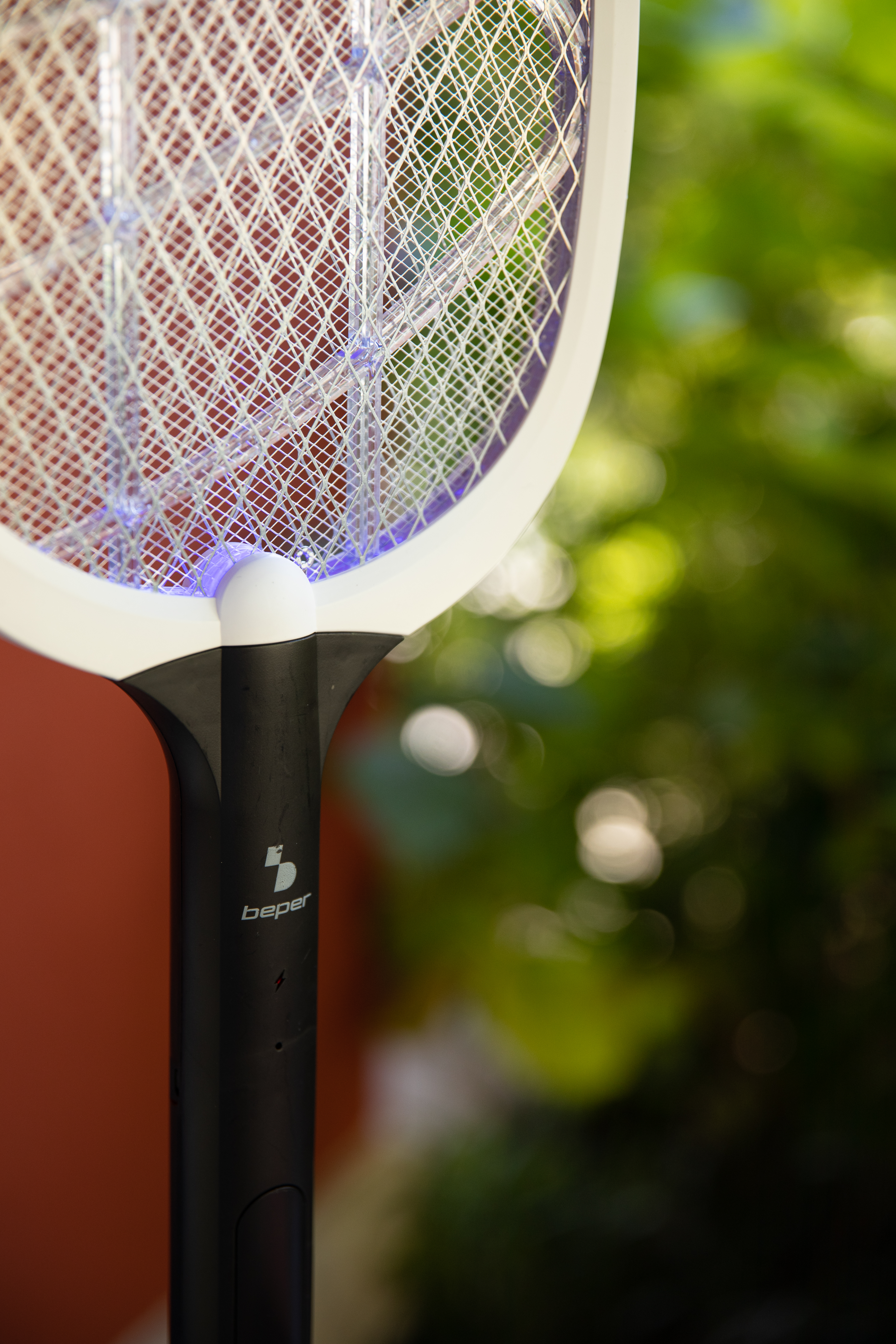
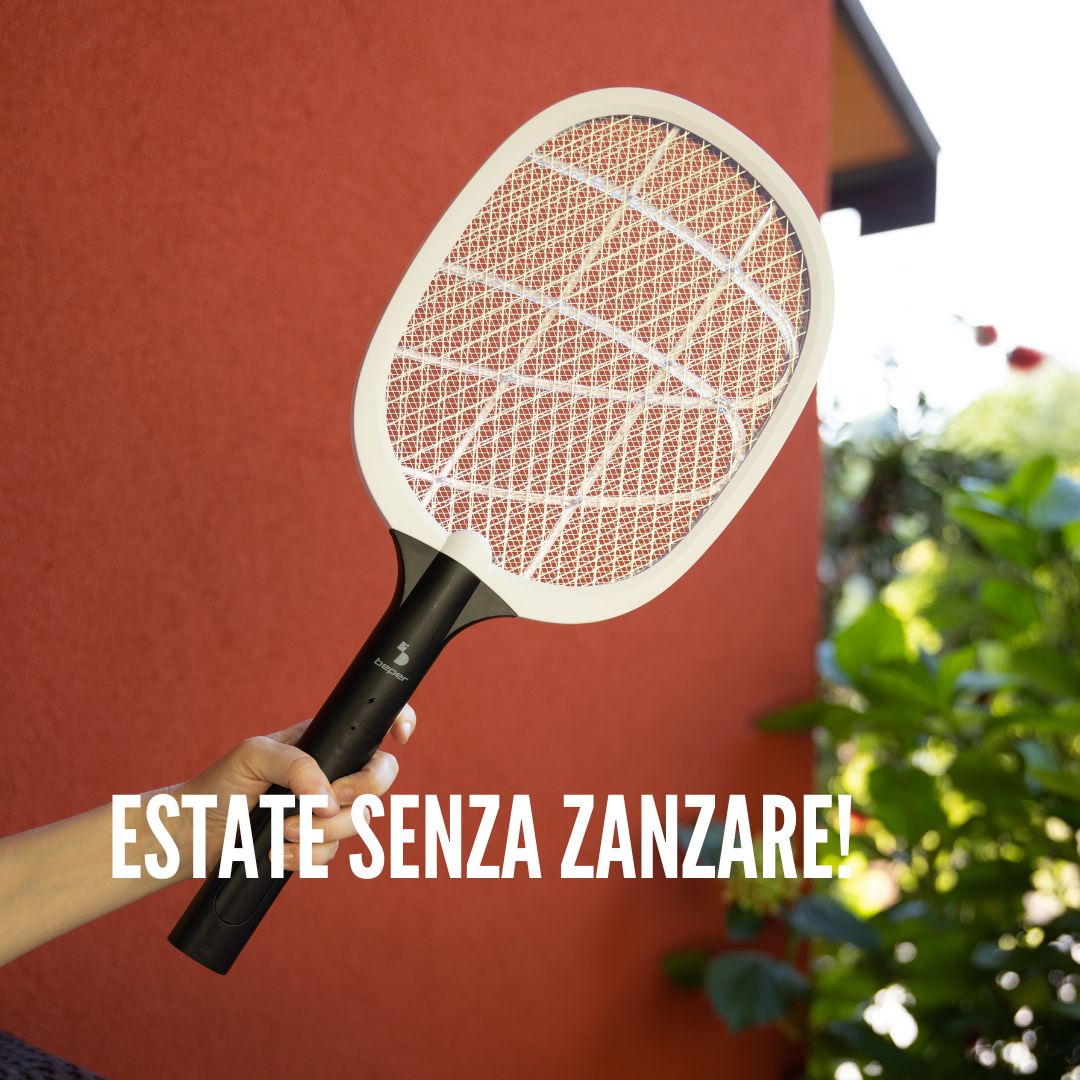
WITH THE BEPER ELECTRIC MOSQUITO NET THE SUMMER IS QUIETER
Mosquitoes give you no respite? With Beper's rechargeable electric mosquito net you can say goodbye to insects in a practical, safe way and without chemical sprays.
EFFECTIVE PROTECTION EVERYWHERE
Perfect for home, camping or the garden, the Beper mosquito net works both manually and in stand mode thanks to the included base. Ideal for those looking for a mosquito racket with stand, which can be kept active even while sleeping or working.
USB, safe and battery-free
The USB insect paddle is equipped with a 500 mAh rechargeable lithium battery and is conveniently charged via a USB cable (included). The three protective metal layers ensure maximum safety during use, preventing accidental contact.
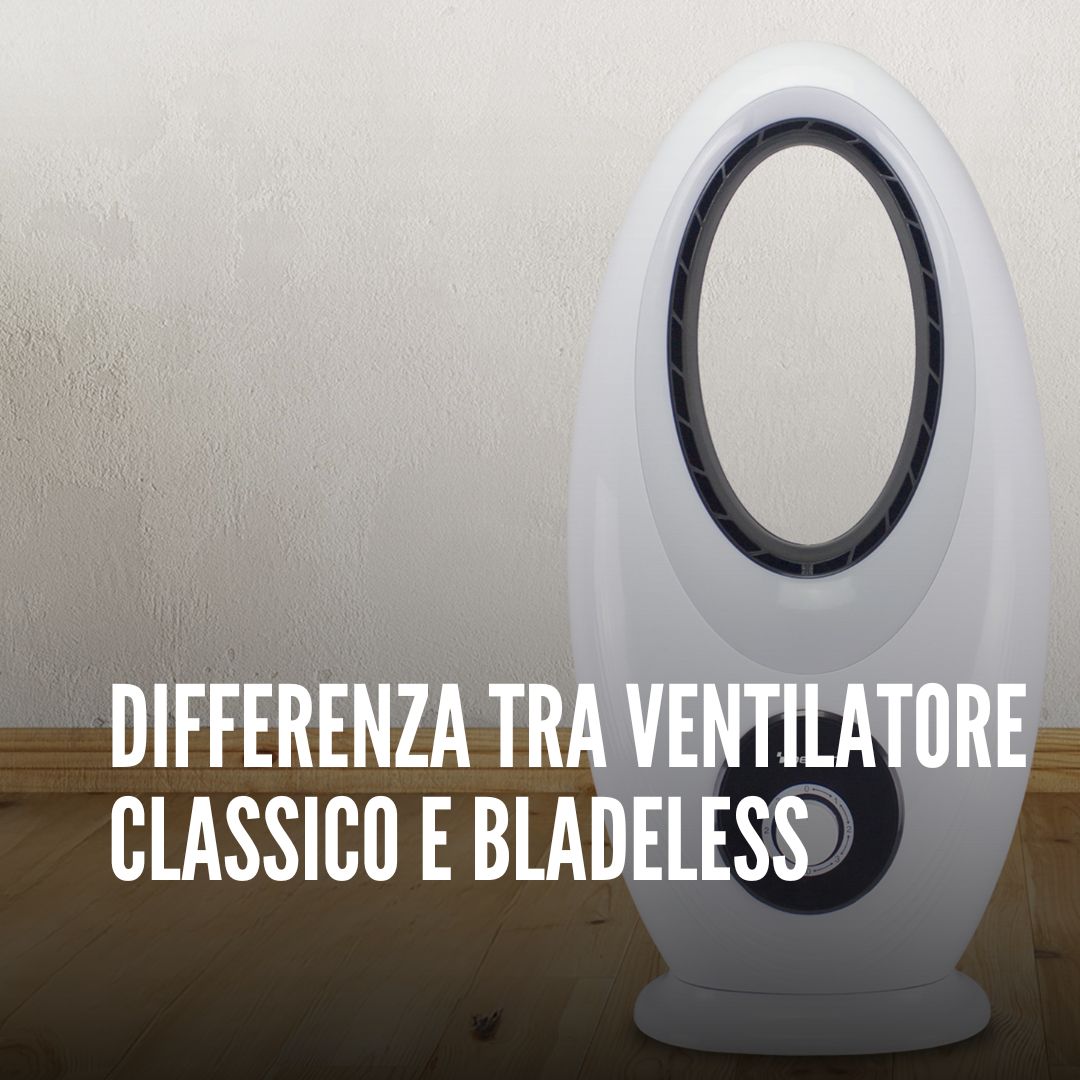
FAN WITH BLADES OR BLADELESS? DISCOVER THE DIFFERENCES
When it comes to cooling your home, choosing the right fan can make all the difference. Today we’ll help you understand the main features of traditional fans with blades and modern bladeless models.
FANS WITH BLADES: PRACTICALITY AND IMMEDIATE POWER
Bladed fans move air through the rotation of visible blades. They are the most common choice, thanks to their great value for money.
Main advantages:
Direct and powerful airflow
Affordable price
Available in different formats, with options like oscillation, timer, and height adjustment
They’re ideal for those seeking a simple and effective solution, especially for larger rooms.
BLADELESS FANS: TECHNOLOGY AND SAFETY
Bladeless models use a ring-shaped system that draws air in from the base and releases it evenly and consistently, without visible blades.
Main advantages:
Quiet operation
Safe for children and pets
Modern, space-saving design
More uniform airflow
Perfect for modern home environments or shared spaces where acoustic comfort and safety are essential.
In any case, with Beper, you can count on appliances designed to ensure functionality, reliability, and comfort.
You can also find a dedicated video on our YouTube channel:
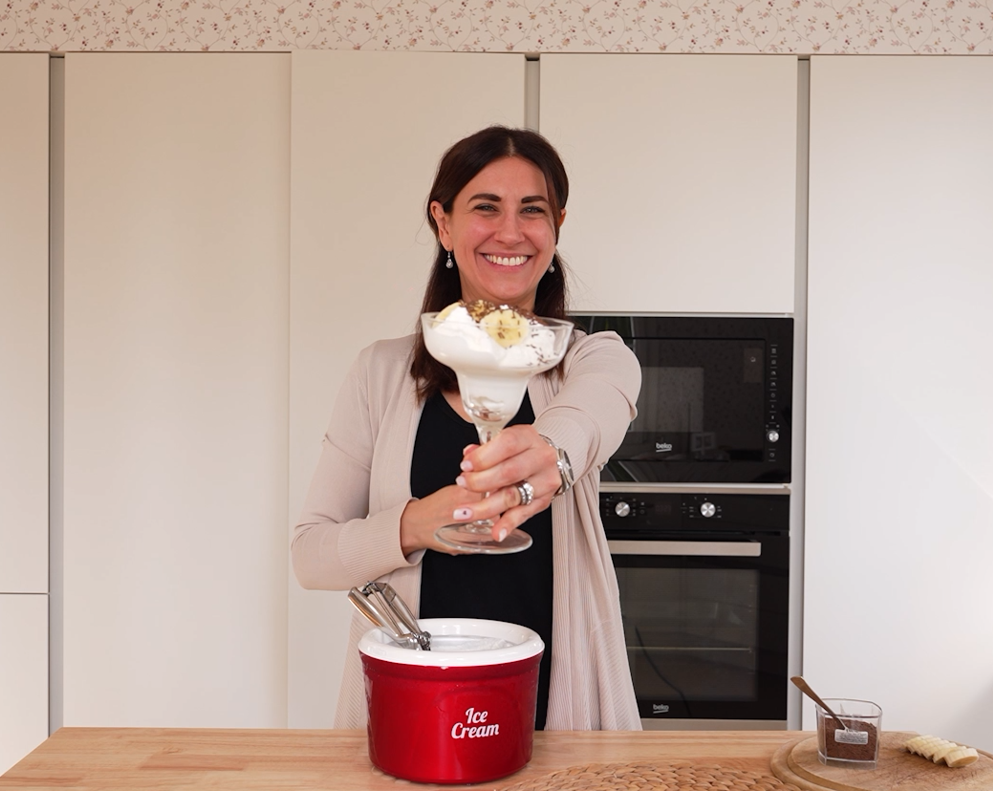
With the arrival of summer, the desire to enjoy good ice cream grows. But what could be better than homemade ice cream, made with fresh, natural ingredients, exactly the way you want it?
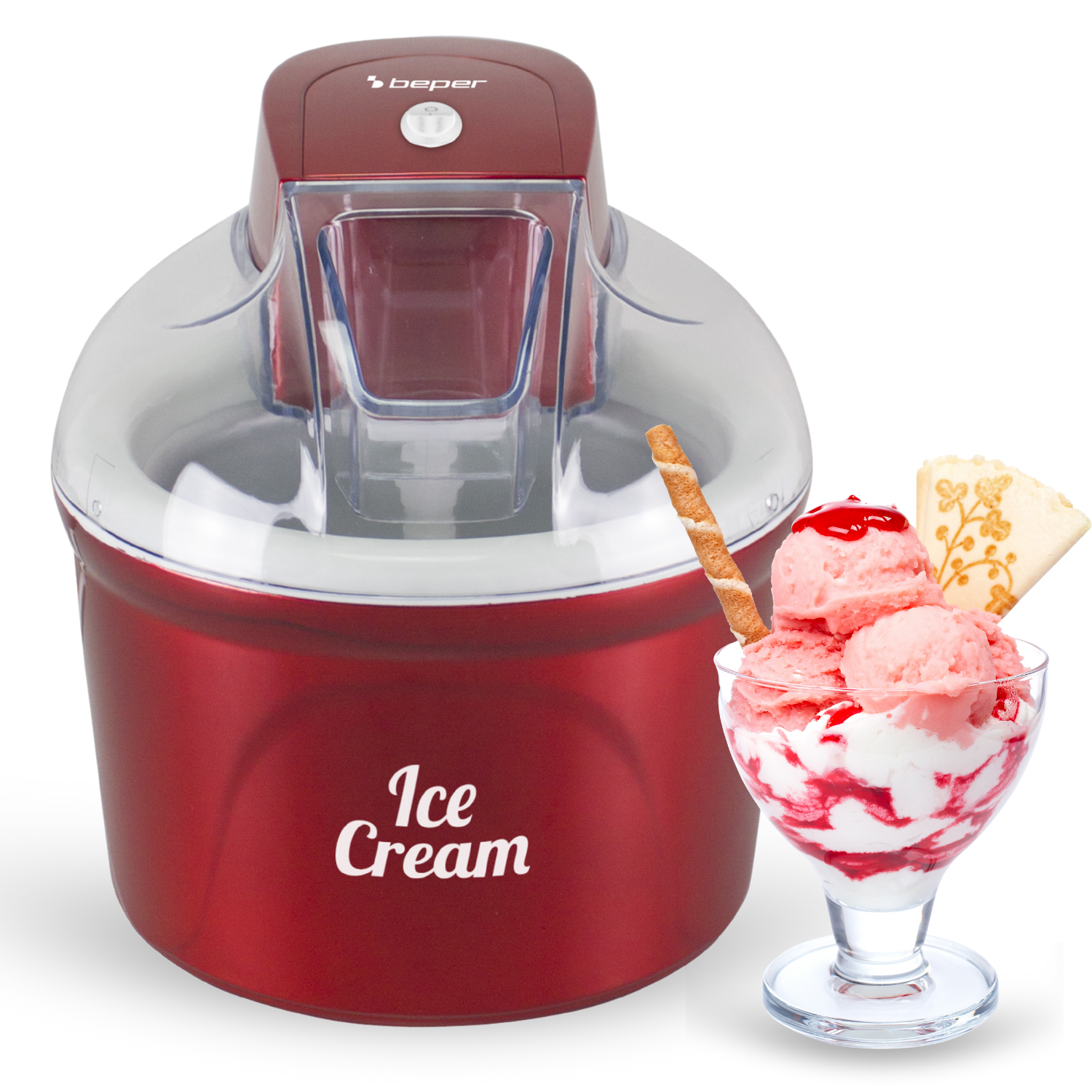
The Beper ice cream machine is the ideal solution for those looking for a healthy and customisable alternative to packaged ice cream. Easy to use, automatic and compact.
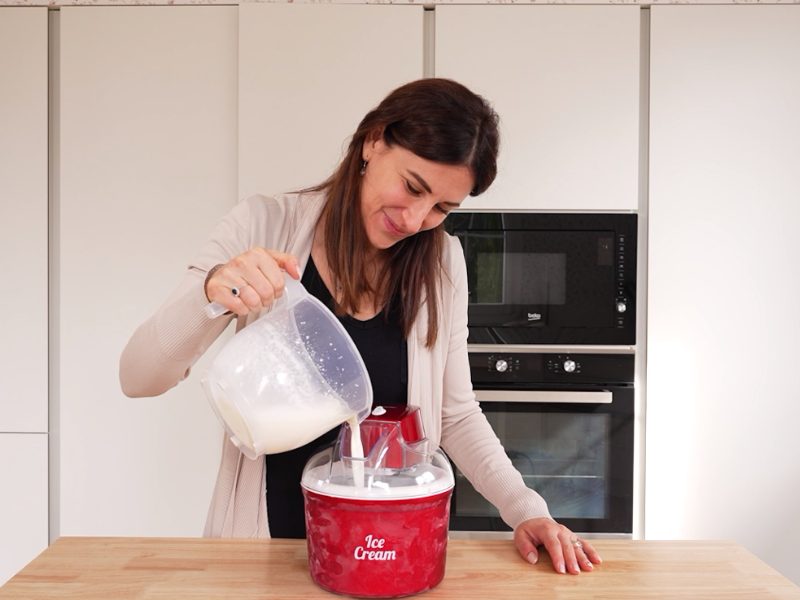
With the Beper ice cream maker, you can prepare ice creams and sorbets in just 40 minutes, thanks to an automatic system that mixes and churns on its own. No manual effort, no fatigue: just insert the ingredients, start the machine and wait for the perfect result.
BENEFITS:
Homemade ice cream
Automatic operation: mix and churn by itself
Double-insulated cooling bowl
Possibility of adding ingredients during preparation
Compact, stable and easy to clean
Making ice cream at home has never been easier, more fun and tastier.
With the Beper ice cream maker, you bring to the table all the pleasure of home-made ice cream, made with your own hands and your favourite ingredients.
Find out more about the product by visiting our website!
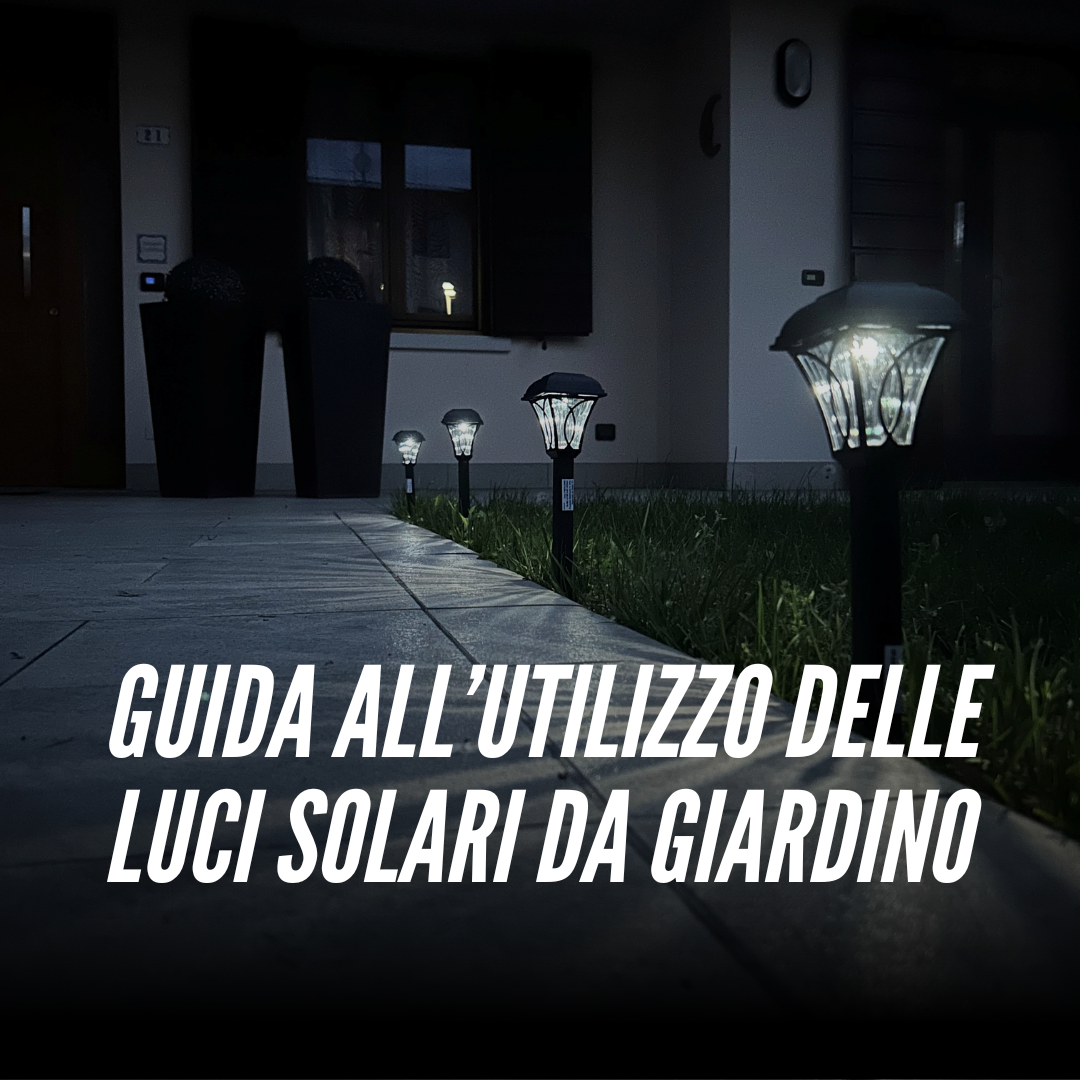
Beper solar lamps are an environmentally friendly and efficient solution for lighting your garden without the use of electricity. Here's how to make the most of them:
HOW A SOLAR LAMP WORKS
Initial charge: Expose the lamp to the sun for 4-6 consecutive hours for a full charge.
Ideal Positioning: Place the lamp in a sunny area to ensure optimal charging.
Automatic Switching: Lights automatically switch on at dusk and switch off at dawn.
Fixed Light or Flame Effect Mode: Some models offer a choice between continuous light or flame effect for a more atmospheric atmosphere.
MAINTENANCE AND HELPFUL TIPS
Winter: In case of snow, set the lamp to 'OFF' to avoid poor recharging.
Continuous positioning in the sun: Exposing the lamp to the sun for several hours a day optimises battery life.
Beper solar lamps are easy to use, environmentally friendly and perfect for adding light to your garden without complications. Discover all models on our website!
Beper è sempre alla ricerca di giovani talenti da inserire nel nostro team e siamo orgogliosi di continuare la nostra collaborazione con l’universitá di verona e vicenza per questo
Beper and sustainability: a long-standing commitment!
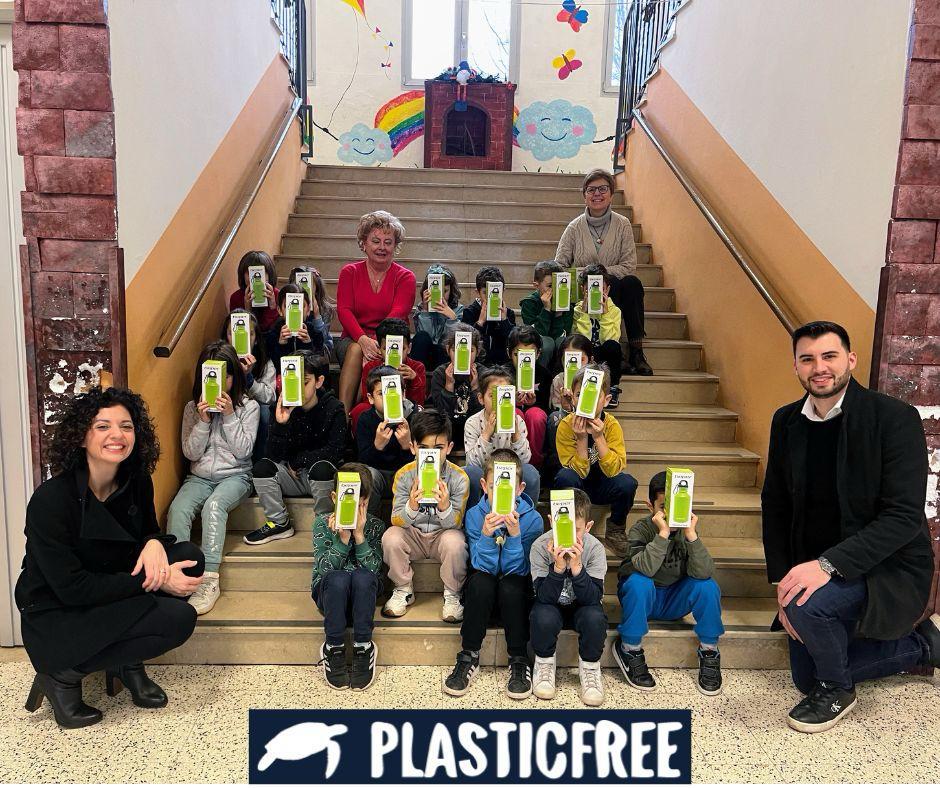
Once again this year, Beper renews its commitment to sustainability through an initiative dedicated to future generations. Sensitising the youngest about the importance of respecting the environment is a mission that we pursue with enthusiasm, promoting concrete actions for a more sustainable future.
As part of this project, our own Nicolò Favalli, together with the deputy mayor of San Pietro di Morubio (VR), visited the 1st grade class of the Istituto Fratelli Sommariva in Bonavicina. During the meeting, the children were given our insulating flasks, practical tools that contribute to the reduction of single-use plastic consumption. Educating the new generations on these issues is essential: small daily gestures can make a big difference to the health of the planet and individual well-being. The use of a reusable water bottle, for example, reduces the purchase of plastic bottles, lowering the environmental impact and promoting greater personal hydration. Through initiatives like this, Beper wants to convey a clear message: each of us can contribute to the protection of the environment, starting with simple habits that, over time, generate significant change. A small gesture, such as choosing a reusable water bottle, can turn into a big step towards a more sustainable future.
Information on the cookies present on this site
This site uses anonymous technical and statistical cookies, necessary for its operation.